Eight Strange Facts About Counterfeiting

Counterfeiting is a global problem that has been detrimental (even devastating) to man, yet strangely beneficial to others. Yet when many think about counterfeiting, they see it as a group of villains producing and selling fake purses, DVDs, medicine, and even car parts. Many do not know how pervasive and complex the problem is beyond the usual suspects of fake goods. To illustrate that, we are highlighting eight facts about counterfeiting

Facts about Counterfeiting

1 There’s a counterfeit Disneyland

The “Beijing Shijingshan Amusement Park” opened its doors in 1986 with the tagline: “Disneyland is too far.” With very similar structures and offerings to Disneyland, the park faced some legal issues with copyright infringement. Despite the battle, its popularity has allowed them to expand their amusement park over the years.

 Image Source: http://www.cnbc.com/2015/04/09/chinas-craziest-counterfeits.html?slide=2
Image Source: http://www.cnbc.com/2015/04/09/chinas-craziest-counterfeits.html?slide=2

2 It’s not just Disneyland, it’s entire cities

China has made incredible strides to replicate famous cities around the world, even hiring architects from . From Paris to Manhattan, counterfeiting has never seemed so physically large-scale than this. Source: Business Insider

3 More is not better than less

Counterfeit medicines are criticized for not containing enough or any of an active ingredient (the piece that makes medicines work). But sometimes the opposite issue occurs. In 2009 in China, an Anti-diabetic traditional medicine, which was used to lower blood sugar, was found to contain six times the normal dose of glibenclamide. As a result of this, two people died and nine people were hospitalized. Source: SciDev.net

4 Counterfeiting happens in the U.S. too

Developing markets around the world are often the target for counterfeiting; limited governmental oversight and resources make counterfeiting a very prevalent issue in many of these countries. But many don’t realize that no place in the world is immune to fakes. In the United States in 2014, 75,836 cases were reported to the U.S. Sentencing Commission and of these cases, 478 involved counterfeiting. Think it’s not a problem? Think again. Source: United States Sentencing Commission

5 Even legitimate brands copy

Between 2011 and 2012, famed luxury shoemaker Christian Louboutin won a legal battle against luxury brand Yves Saint Laurent over the trademark of its red-soled shoes. Going forward, any shoemaker that desires to paint red on the soles of their shoes has to pay permission rights to Christian Louboutin. Source: Cnbc
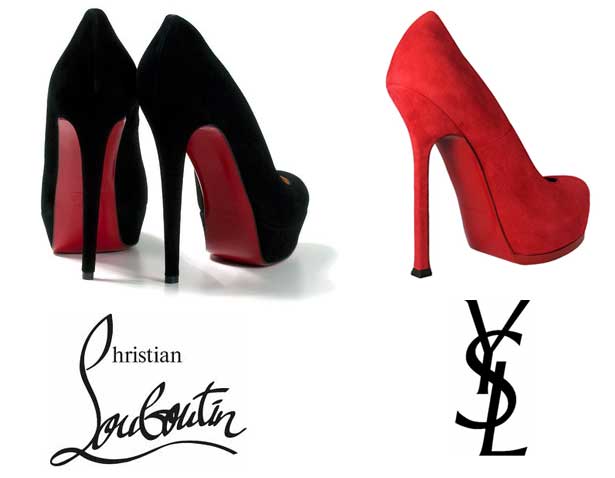
 Image Source: http://en.pambianconews.com/wp-content/uploads/sites/18/2012/12/ysl-thenigerianreporter.jpeg
Image Source: http://en.pambianconews.com/wp-content/uploads/sites/18/2012/12/ysl-thenigerianreporter.jpeg

6 Fake medicines in India is a massive problem

Many high quality medicines come from India, who is the world’s largest manufacturer of generic drugs. That esteemed title also makes it a hotbed for counterfeiting. “[The country] may have as much as 12 percent to 25 percent of their supply contaminated with substandard and counterfeit medicines, and up to 40% of the drug supply in some African nations may contain counterfeits.” Source: lilly.com

7 Buying counterfeits supports bad people

Fake products are not just bad because they can harm you, but they can fuel larger organizations whose profits go toward dangerous causes. “Recovered Al Qaida terrorist training manuals revealed that the organization recommends the sale of fake goods as one means to raise funds to support terrorist operations. John von Radowitz, Fake Internet Goods ‘Linked to Terrorists’, Press Association, June 25, 2002. This same article noted that Hezbollah traffics in counterfeit pharmaceuticals. John von Radowitz, Fake Internet Goods ‘Linked to Terrorists’, Press Association, June 25, 2002.” Source: Facts on Fakes

8 You can even fake history

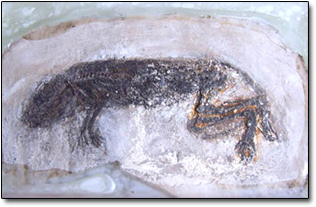
Museums, the History Channel and the National Geographic Channel have done a great job educating us about our history, fossils, living and extinct animals, and entire ancient civilizations and ways of life. Archaeologists work hard to uncover precious and rare fossils, but their work was undermined by the black market. In 1970, the Chinese fossil market took off and the artifacts were sold country-wide until they ran out. They then decided that making their own fossils could be a lucrative business. Today, China is the biggest counterfeit supplier of fossils in the world. The picture below shows a fake rat fossil made from calcified fish. Source: Cracked.com
 Source: http://www.cracked.com/article_19742_the-5-most-insane-examples-chinese-counterfeiting.html
Source: http://www.cracked.com/article_19742_the-5-most-insane-examples-chinese-counterfeiting.html

Do you have any interesting counterfeit stories to share? Leave a comment below.

 

Five Customer Retention Strategies That Work

If you are a serious business in 2016, you have already or are currently plotting and planning creative customer retention strategies to implement this new year. Sitting with top and middle management, the sales and marketing teams, account managers and other key stakeholders are important parties in this planning process. While we at Sproxil have already made plans for our 2016 strategy, it is not too late to start yours. Gather your team together and start having conversations around the vision, strategies and tactics you will need to execute this project. What are your business goals? How do you plan to implement them? What media will you use?

Before you start planning for the new year, take a step back with some of these tactics:

  • Conduct an honest and comprehensive review of your customers’ satisfaction by deploying surveyings and having one-on-one interviews. If there are review sites for your product(s), look at those too
  • Begin strategizing ways that you can improve your customers’ satisfaction. What do they want more of? Less of?
  • Evaluate previous strategies (if any) and determine what worked and what did not
  • Look to industry leaders, competitors, and online resources to learn about new tactics that could work for your product
  • Learn why previous customers have migrated to your competitor

Customer Retention Strategies to Employ

1 Set your customer’s expectations

Before you get into the details of planning, set realistic expectations of what you expect from customers and what you would be willing to offer them. Create buckets for each of your customer demographics. Take your budget into account, take the pain points into consideration and strategies that worked previously. Be ready to under promise and over deliver to them. This way, you’re not scrambling to put together products and features that your promised but had not yet created. Honesty to yourself is key.

 Image Source: https://myblindspot.files.wordpress.com/2011/01/ilustracion02.jpg
Image Source: https://myblindspot.files.wordpress.com/2011/01/ilustracion02.jpg

2 Recover the lost flock

Develop creative strategies to bring back customers you may have lost in the past. Based on your initial review of why you lost your customers in the first place, tap into the consumer insights gathered and reform your strategy. Offer a competitive price, run aSproxil Champion campaign, follow up with them and address concerns they may have. Perhaps a discount will lure them back in or proof that your product has improved since they left. While there may be a chance to get them back, consider the value of the customer. Is it worth the time and effort for your to bring them back? If it is, starting courting again! If not, cut your losses and concentrate on the valuable customers you want back.

3 Choose the right platform

Depending on the country you live in, you have probably already identified the most effective platforms to reach your customers. In some countries, radio works best, in others, the store front is the most appropriate platform, and yet for others, online is the best route. Whatever the case may be, identify the appropriate platform(s) and develop a creative campaign to target them there. Perhaps a multi-platform promotion via web and mobile work best.

4 Treasure the complainers

Customers that are not satisfied with a product or service and have disconnected from the brand are more likely to walk away. However, customers who come back to complain may offer you important insights and an opportunity to win them back. Consider their Customer Lifetime Value (CLV) when determining how much effort and discount you would be willing to give in order to keep the customer. When the customer’s problem has been solved, take into serious account all of their complaints: both what was said an left unsaid. Some things will be glaringly obvious in their complaints but the unsaid things can be real gold. Insights from unhappy customers can help improve current processes and help you retain future customers. Remember: choose your battles carefully; not all customers can offer productive feedback. You will need to know when it is no longer profitable for you to retain a customer.

 Image Source: http://static1.squarespace.com/static/5263160be4b0d652edf3414a/t/5489a75fe4b051e70e1870d7/1418307423268/
Image Source: http://static1.squarespace.com/static/5263160be4b0d652edf3414a/t/5489a75fe4b051e70e1870d7/1418307423268/

5 Measure

All your customer retention strategies are useless if you do not measure the before and after. What numbers are important to you? Set metrics and Key Performance Indicators (KPIs) that help you determine how well you are doing. Once you set what KPIs are important to you, calculate your baseline. What kind of improvement needs to be made to help you meet your KPI? What kind of promotions can be utilized? What do you do for at-risk customers who are considering switching to a competitor? With a service like the Sproxil Champion Promo Campaign, not only can you increase engagement to better meet your KPIs, you can use the data from the campaign to make smarter, more targeted campaigns in the future.

Now that we have armed you with some helpful starting points:

  • Have you sat with your team to discuss customer retention strategies?
  • What worked for you previously? What didn’t?
  • Are you ready to take the 2016 bull by the horns??

If you would like to discuss the implementation of the Sproxil Champion into your program, please send an email to team@sproxil.com citing this blog post and we will work with you to create unique campaigns that fit your customer base and market.

Impact of Counterfeit Pesticides

Did you know?

In China and India, illegal pesticides are believed to comprise about 30 percent and 20 percent of the pesticide markets in these countries, respectively

(Source: University of Florida IFAS Extension)

China and India are not the only countries dealing with the problem of counterfeit pesticides; it is a global problem with adverse effects on all stakeholders. Counterfeit pesticides affect all aspects of the economy from the market to the environment to the end consumers. Before we discuss solutions, let’s talk about the impact of counterfeit pesticides.

The Impact of Counterfeit Pesticides

IT’S A THREAT TO THE MARKET

  • Low detectability
  • Financial impact
  • Reputation and brand erosion

Counterfeit pesticides are very hard to detect due to the sophisticated packaging and labeling that counterfeiters use to disguise their products. Some fake products even bear anti-counterfeiting labels and technologies that make it more difficult to detect and separate the genuine products from its substandard counterparts. When farmers buy fake pesticides, genuine businesses are losing market share to counterfeiters. Furthermore, fake versions of branded products hurt the reputation and brand name of genuine companies and put them at risk for unnecessary law suits.

IT’S A THREAT TO FARMERS

  • Financial impact
  • Poor efficacy
  • Health impact

When pesticides do not work as intended, farmers waste money on products that poison their crops or leave them susceptible to harmful pests. No crops mean a significant impact on their livelihood, further impacting their financial health. Even worse, if the fake pesticides contain dangerous and toxic chemicals, the farmers could be putting their health and wellbeing at significant risk.

THREAT TO END USERS

  • Health impact

Farmers are not the only ones who can be impacted by toxic chemicals used in fake pesticides. If crops with fake pesticides make it to market, end consumers could be at risk of ingesting dangerous chemicals, leading to short term and/or long term health effects.

IT’S A THREAT TO ENVIRONMENT

  • Toxic ingredients
  • Water contamination

Ingredients that are not approved for use in pesticides can potentially damage the environment. Fake pesticide may not decompose easily, hurting the soil, water, and the overall ecosystem. This can lead to longer term issues with future crops that are planted in that soil.

IT’S A THREAT TO GOVERNMENT

  • Financial impact
  • Job creation
  • Innovation and efficiency impact

The government is not immune to the impacts of counterfeit pesticides. The cost spent to fund enforcement and compliance of using approved pesticides can be great, depending on the significant of agribusiness in the region. If the industry is compromised, it does not grow, leading to reduction in jobs, further negative impact on the economy, and more pressure on government. If the threat of counterfeits were taken out of the picture, government could spend more resources on productive ways to promote industry innovation and efficiency.

What Can Be Done?

There are several solutions to the problem, which, when used in tandem to one another, can create a strong barrier against the threat of fake pesticides.

  • Improve detection strategies (anti counterfeiting solutions like Sproxil)
  • Increase awareness and education of the problem and available solutions
  • Promote vigilance with farmers and end consumers
  • Improved enforcement for compliance by the government
  • Take a proactive approach in detection and combating the issue by law enforcement
  • Improved purchase processes by farmers (authorized dealer purchases only)

IN ORDER TO DO THIS

While individual stakeholders can make a significant impact on protecting their own farmers and end-consumers, collaboration and government involvement are key requirements for combating fakes.

We need

  • Collaboration of all stakeholders
  • Greater government involvement

Many companies around the world, from small farms to multi-national businesses, are threatened by counterfeit pesticides. If you or someone you know works for an agri-business company, get in touch with us. We’ll work together to develop creative solutions that help you fight counterfeiting and engage your consumers.

Happy New Year from Sproxil

On behalf of the Sproxil global team, we would like to wish you all a happy new year and we hope 2016 brings all you desire and productivity in your businesses. This 2016, we will be updating our approach at Sproxil to strengthen collaborative relationships, improve communication and execute a flawless service delivery to all our clients.

In light of improving our communication and services, we have streamlined our products to reflect what Sproxil offers its consumers. We have renamed our products to reflect this.

  • Sproxil Defender™ (Formerly “MPA/Anti-counterfeiting”)
    • A point-of-sale product verification solution, empowers consumers to use their own mobile phone to instantly identify genuine products in the marketplace and grow the trust they have in their favorite brands.


  • Sproxil Champion™ (Formerly “Loyalty & Rewards”)
    • A flexible point-of-sale consumer rewards solution with built-in fraud protection that empowers brands to offer consumers convenient opportunities to earn and redeem gratifying rewards from the brands they desire. Also available as a bespoke solution for distributors to help brands ensure distributors receive genuine products and earn rewards for their trust.


  • Sproxil Informer™ (Formerly “Track & Trace/DGFT”)
    • A robust track and trace system that helps brands secure and monitor their global supply chains, from the manufacturer through the warehouse to the retailer and all points in-between, with optional consumer engagement to provide true end-to-end security.


Our consulting services still remains the same

We equip you with the right tools and guidance to optimize your supply chain, leverage market expertise, and customize your anti-counterfeiting and consumer engagement strategies. Whether it is assisting manufacturers in getting labeling equipment or implementing a mobile-first consumer engagement strategy, we are always actively involved.

If you would like to read more about the solutions Sproxil offers, check out our website for more information.

Top Five Counterfeit Christmas Gifts

It’s that very wonderful time of the year again and the pressure of christmas shopping is upon us. Our little girls want the newest Barbie® dolls and our boys want the coolest Lego® toys. Your wife has been eyeing those Christian Louboutin shoes and your husband has been drooling over that new gadget he saw in that tech magazine. Whatever the case may be, these gifts would certainly put a huge smile on their faces this Christmas. It is important that, when planning your shopping for these gifts, you are aware that Christmas time is also the best time for counterfeiters. Counterfeit christmas gifts are pushed into the market more aggressively and at more affordable rates under the guise of providing amazing discounts to you, the unsuspecting consumer.

These counterfeiters prey on the emotions of consumers and the economic climate in a country. Consumers are always looking for the best discounts on products to shop for christmas gifts for their loved ones. As a result, they end up with substandard goods that sometimes causes more harm than good.

Some things to keep in mind to avoid buying some of these counterfeit christmas gifts are:

Price: If the price seems too good to be true, it probably is. Research the actual prices of these items online and see if the company itself is offering a discount to its customers. If a product just launched and is priced at $100 and you are able to get it for $50, it is likely a substandard good. Be wary of deep discounts.

Source of item: If the person that sold that item to you is selling it to you out of the trunk of their car and they are luring you to their car in a dodgy manner, that is a clear indication that the product is not real. Be wary of flea markets as well. When using online retailers, look at reviews of the products to see if there are any red flags or other warning signs.

Branded website: Most companies are aware that their goods have been counterfeited and have provided tips on their website on how to identify counterfeit products. Before you make that purchase, check out the company’s website for more information.

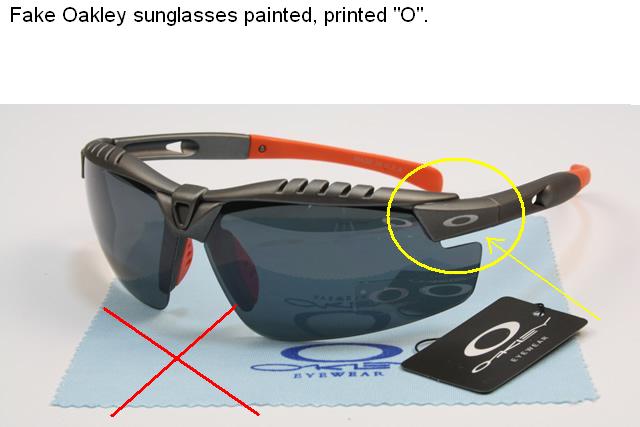
What are 5 popular counterfeit christmas gifts?

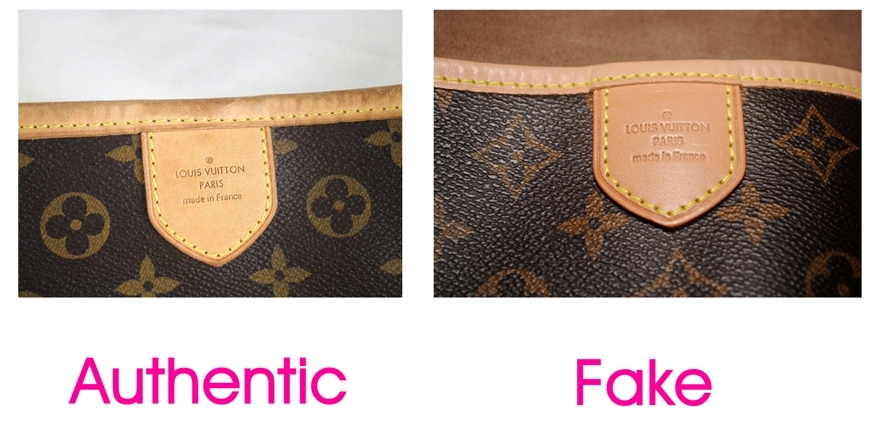
  • Luxury shoes, bags and leather goods
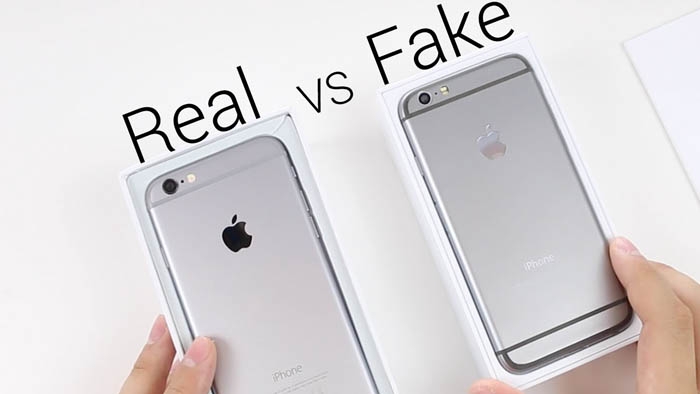
  • Smartphones, tablets and other electronics
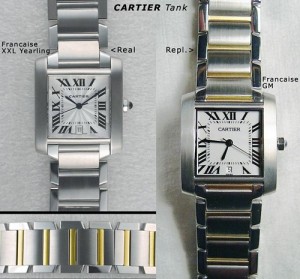
  • Luxury Watches and Jewelry
  • Sunglasses
  • Perfume

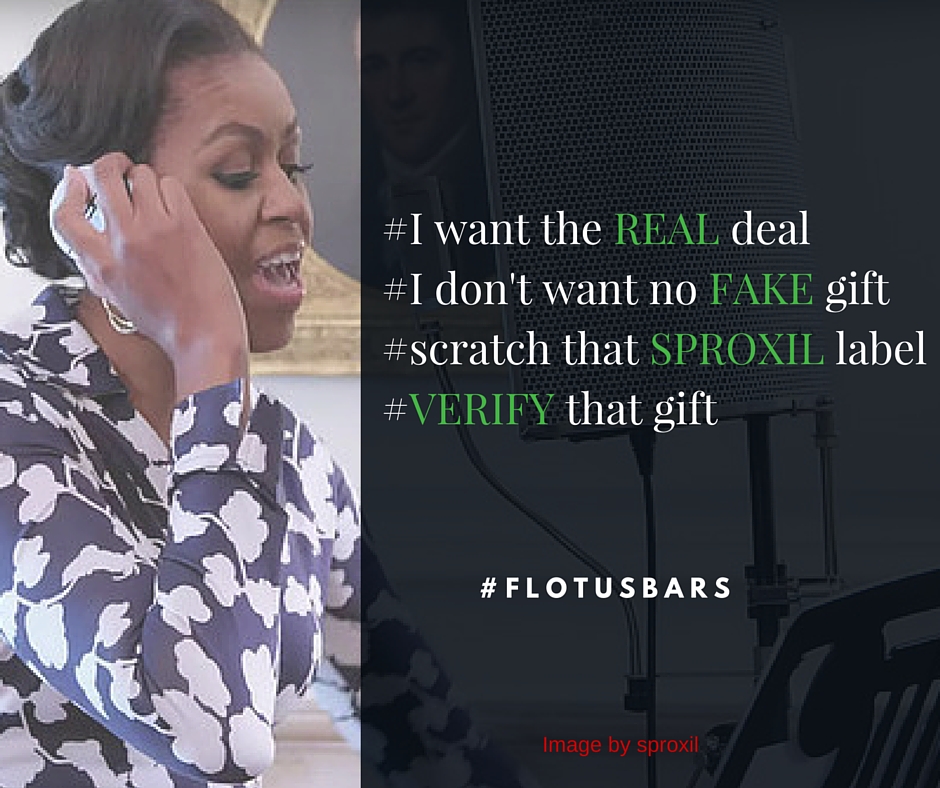
If you are a company in any of these industries, it is not too late to contact Sproxil to protect your products before the holidays. As a consumer, ensure you do your research before purchasing some of these gift items and scratch to verify whenever you can. Even Michelle Obama agrees.

Counterfeiting Shows Global Growth

According to Research and Markets, the landscape for brand protection has evolved substantially in the last few years and continues to do so.  Since the global economic slowdown in 2008, counterfeiting activity has continued to grow and exploit the economic climate of uncertainty.
The luxury goods industry has been particularly hit hard since around 2010. Having seen a significant increase in counterfeit luxury goods globally, brand owners have reported brand name reputation damage and revenue loss. This unfortunate incidence has been because of the large number of counterfeit products in the marketplace.

counterfeiting global growth

The International Chamber of Commerce (ICC) tells us that the growth of global counterfeiting across all end user sectors is now accelerating to around 15.6% annually between 2013 and anticipated 2018 (up from 6.8% annually between 2008 between 2013).

Although the counterfeiting problem is experiencing growth, Sproxil, along with other brand protection agencies are working hard to fight this problem daily. With the implementation of serialization solutions, holograms, scratch off labels depending on the country and it’s needs, brand protection agencies are developing creative solutions to combat this issue.

Are you using Sproxil to verify that you are purchasing genuine products? You can verify online – click here.

Sproxil Surpasses Twenty-Million Verifications

The twenty-million sproxil verification point marks a company milestone as we expand our efforts to help brand owners combat counterfeited goods from reaching the consumer.  
We have seen an accelerated rate of sproxil verifications over the past year which not only indicates our growth, but also the importance to brand owners and manufacturers that end-consumers are verifying that they are purchasing a genuine product. Fake products are often lower in quality and can cause human life-safety issues.

Counterfeited products are recognized as a multi-billion-dollar problem to brand owners and manufacturers around the globe. Our product verification technology is used by the consumer to verify that the product they are purchasing is genuine. Counterfeited goods can destroy the integrity of a brand, can have an impact on human safety and has led to the loss of hundreds of thousands of jobs. Our products can be used by virtually all industries, all of whom face similar counterfeit and comprised product concerns.

sproxil 20 million verifications

A press release is available – click here.

Interface Health Excellence Challenge

We are proud to have been chosen as the winner of the 2015 Interface Health Excellence Challenge (IHX Challenge). The Challenge is like the “Olympics” of digital health innovation. It is a global competition to find the world’s most innovative health entrepreneurs whose ideas and products can change health for the better. This competition covers 10 market-driven health categories and is open to smart, passionate, resourceful entrepreneurs from anywhere in the world. The TOP 10 finalists are chosen by a panel of industry experts, members of interfacehealth.com and patients.
Sproxil_Interface_Award

Salt Magazine’s Top 100

Congratulations to Ashifi for being honored by Salt Magazine for making the top 100 Most Compassionate Business Leaders. We join Salt in celebrating a movement towards corporates using their considerable power for good.

Who makes the list?

The Salt team drew on its collective years of experience within the world of business and environmental sustainability to draw up a list of global compassionate leaders based on the following criteria:

SUSTAINABILITY Leadership in terms of: renewable energy; resource conservation; agriculture; social and economic sustainability.
INNOVATION Have they pioneered ideas within their industry?
COMPASSION Have they created a company that transcends the standard business paradigm?
IMPACT How many lives have they changed?

See Ashifi at: Ashifi Gogo on Salt