The 84th National Conference of PSN

The 84th National Conference of PSN (Pharmaceutical Society of Nigeria) was held in Enugu, Nigeria, on October 31st to November 4th, 2011. This year’s conference, a longstanding informative and collaborative event, focused on the theme “Achieving Health Sector Goals in Nigeria – Opportunities and Challenges.” Over 800 individuals attended this year.
The Health Sector goals discussed at this event reflected the following:

  • Reduction in Maternal Death
  • Reduction in infant mortality
  • Increase in access to essential drugs

Additionally, the event sought to communicate the ability of the pharmacy industry to assist in achieving national health goals, especially through fighting counterfeit drugs.

A Sproxil representative Sproxil Nigeria Limited Sales Director Lawrence Nwosu, was awarded the opportunity to participate in this year’s conference, and delivered a presentation on “Partnering with PSN to Achieve National Health Sector Goals.” The presentation touched on the use of our Mobile Authentication Service (MAS) to reduce distribution and consumption of fake and/or substandard products, and our need for collaboration with pharmacists and healthcare providers to achieve national health goals. The presentation emphasized the ease of our solution and its many benefits.

The conference, once again, received very positive feedback from all those who attended and participated.

Thank you to the organizers of the PSN conference for all of your efforts.

Please enjoy these pictures of the event.

From left to right: Sproxil Nigeria Limited Sales Director Lawrence Nwosu, Pharm. Ifeanyi Atueyi MD, Publisher of Pharma News, and Chief E. Enebeli, a fellow of the Pharmaceutical Society of Nigeria.

From left to right: Chief. C. Okoli, MD of Emzor Pharmaceuticals, Pharm. Ifeanyi Atueyi MD, Publisher of Pharma News, and Chief E. Enebeli, a fellow of the Pharmaceutical Society of Nigeria.

Left to right: Sproxil Nigeria Sales Manager, Lawrence Nwosu; Alpha Pharmacy Chairman and Managing Director Dr. Ike Onyechi MD;  Greenlife Pharma Limited Chairman Mr. Obiorah Chukwuku; Pharm. Osita Fidelis Idemili;  Janssen Cilag Country Manager Mr. Clifford Emenike

The Power of Information Conference

Did you know that the number of internet users in Africa has increased from 4.5 million in 2000 (0.6%) to 110 million (10.9%) in 2010? Did you know that 90% of the entire world population is now covered by mobile networks (and 80% in rural areas)? Where did we learn these amazing figures?
A representative of Sproxil recently attended September 15, 2011 The Power of Information (PoI) Conference, co-hosted by Indigo Trust, Omidyar Network, and Institute for Philanthropy (Kings Place London). The conference focused on ‘New technologies for philanthropy and development’ and afforded the opportunity to practitioners from around the world to see all of the incredible innovations that information technology has contributed for social change.

The conference covered a vast range of topics relating to information technology, such as the impact of IT on healthcare and economic development, the ability for IT to afford greater transparency and accountability for government, encourage innovation and business IT development, and stimulate global social change and political involvement – he list goes on!

Among the keynote speakers that graced the conference were Wikipedia Founder Jimmy Wales, Indigo Trust’s William Perrin, Sodnet’s Philip Thigo and GSMA’s Chris Locke.

Attendees of the the PoI Conference left with greater knowledge of the current and potential power of information technology, hope for the future, and recognition of the immense value of meaningful collaboration.

We are excited to share some great photos from the event.
Don’t worry, there are more photos after the jump!

powerofinfoconf panel

More Photos after the jump!

Continue reading “The Power of Information Conference”

The Counterfeit Drug Bust in China

For those that have not heard the news, there was a recent incident in the Henan province (central China) concerning USD 30 million worth of counterfeit pharmaceutical products. 65 million bottles have been confiscated and 114 people arrested as a result of a four-month long investigation and drug bust.
The investigation, sparked from an incident in April in which a woman at a drug store used fake medicines to replace genuine ones, included searches of 117 counterfeit drug production and sales sites.

Large-scale victories for the anti-counterfeiting world are especially gratifying (although this is not to undermine smaller-scale victories!), even for those not directly involved. It proves that countries like China, notorious for aptly-named knockoffs (see Top 10 Chinese Knockoffs), are especially vigilant and proactive in fighting counterfeits – both in the physical world and the online world.

For counterfeiters, the internet is a vast ‘land of opportunity’ to profit from consumers drawn to the privacy and convenience of online retail. Unfortunately, it means that one should never trust the origin of their products unless it has been verified by accredited sources. But, using only trusted vendors may prove difficult due to the popularity of e-commerce, where one can sell or buy from anyone.

Online commerce sites can be quite complicated: Chinese web giant Taobao.com (think of it as China’s version of Ebay) has over 800 million products listed at any point, and such a densely-trafficked site is extremely difficult to monitor. Products such as breast milk, diet pills (containing tapeworm eggs), and fertility drugs have made it to that e-market – and those are not even the products people should worry about.

Despite the flood of sub-quality and counterfeit goods on the online market, online retailers and e-commerce companies strive to eliminate items and ban users who violate their rules. Taobao.com strongly opposes the selling and purchasing of counterfeit and/or unregulated/substandard items, and works to maintain their standards via a task force dedicated to seeking out these products on the website and acting appropriately to rid of it.

The moral of this story: Despite efforts to eradicate the presence of counterfeit and substandard goods, one must always be wary of their surroundings online and in the physical world. And when you can, don’t just trust it – verify it.

Sproxil Participates in the ACC/INTA-ACC Roundtable Event

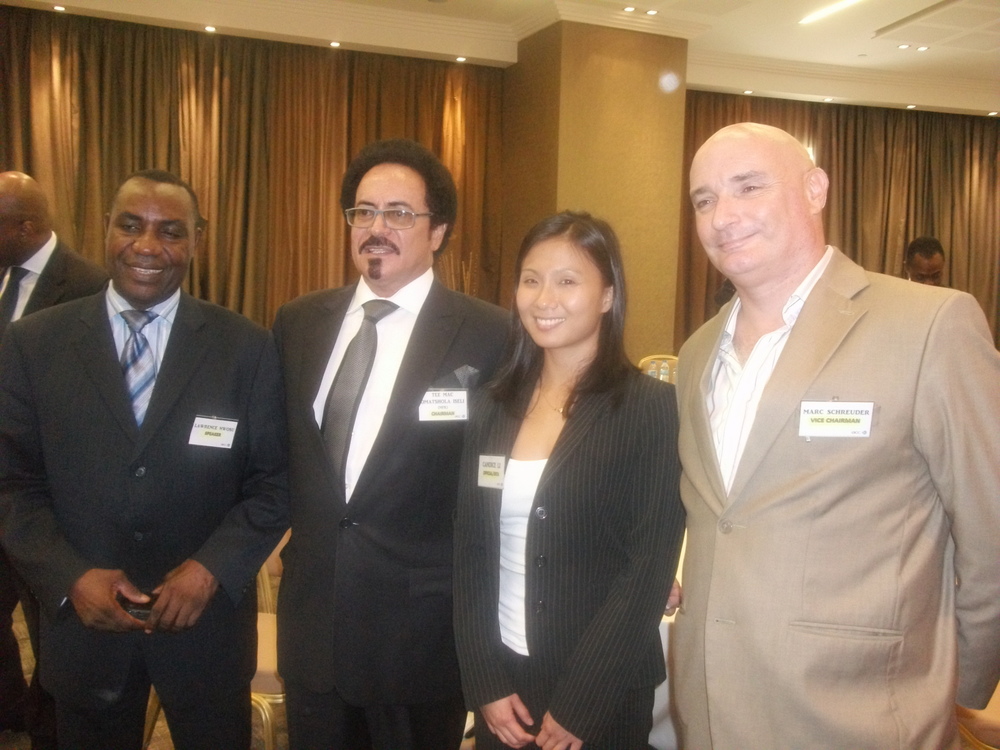
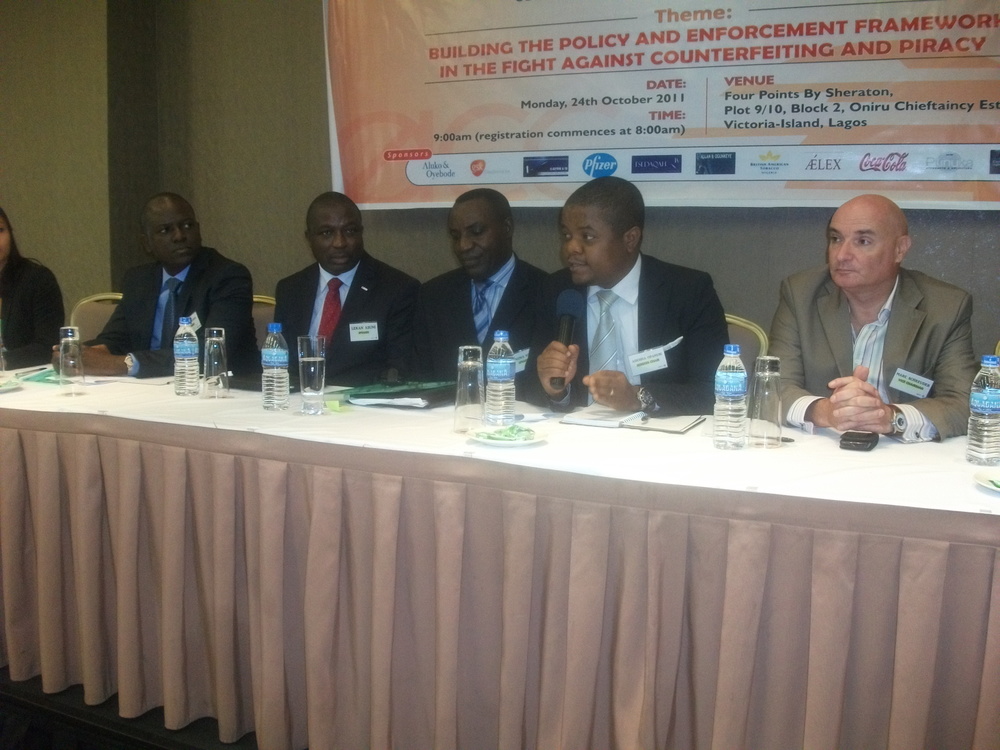
The Anti-counterfeiting Collaboration, Nigeria (ACC), a non-profit anti-counterfeiting organization, and the International Trademarks Association (INTA) hosted the 2011 ACC/INTA-ACC Roundtable in Lagos, Nigeria on October 24th, 2011. Sproxil was fortunate to attend the event, which focused on issues concerning intellectual property of brand owners, anti-counterfeiting policies, and law enforcement.
Additionally, the event explored various anti-counterfeiting measures available to brand owners, who, with the assistance of increased government intervention and vigilant consumers, can successfully protect intellectual property and eradicate piracy.

This event was an important reminder that it is only through proactive collaboration of multiple parties – from government to brand owners to consumers – that we can effectively fight against anti-counterfeiting.


According to Aluko & Oyebode, past ACC/INTA-ACC workshops emphasized the importance of public awareness of counterfeiting – a concept wholeheartedly promoted and reinforced by Sproxil.

Partnership for Safe Medicines Interchange 2011

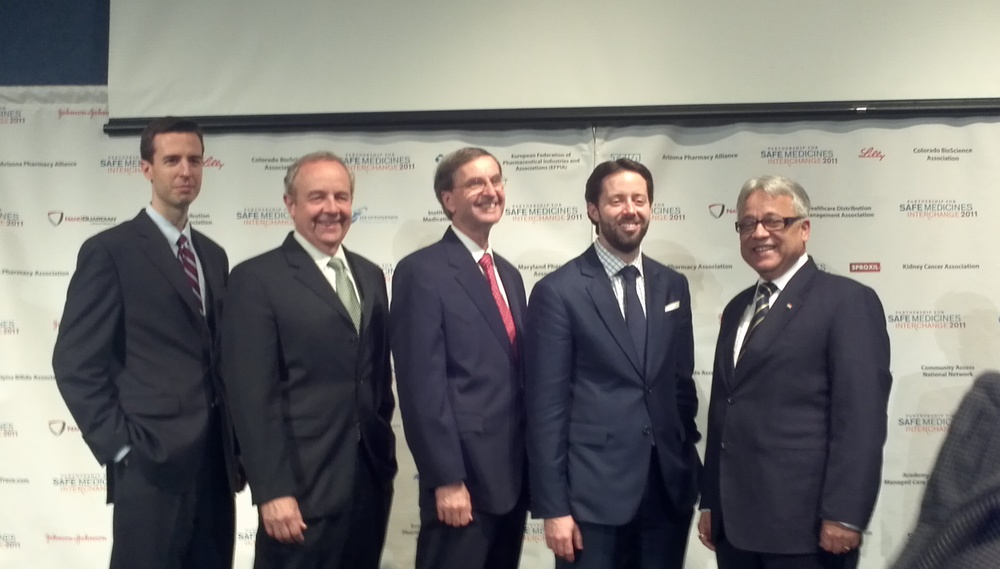
Sproxil CFO and Strategist Alden Zecha attended the Partnership for Safe Medicines Interchange 2011 on Thursday, October 27th in Washington D.C. Sproxil was thrilled to be a bronze sponsor of such an exciting and informational event!
Below is the PSM Board posing behind a background of the Interchange’s sponsor logos.

You can see the Sproxil logo in the background!


Many thanks to the wonderful folks at PSM for allowing Sproxil the opportunity to be a bronze sponsor! For more information about the Partnership for Safe Medicines, go to the PSM website and follow them on Twitter at @SafeMedicines.

“Experts Warn of Rise in Fake Medicines”

Counterfeiting is a global issue that needs global attention.

In many developing areas, medications used for treating non-communicable diseases can be very expensive. Those who cannot afford such medications tend to seek out cheaper alternatives, and run into the risk of consuming a potential harmful, sub-standard medication. Counterfeiters leverage this window of opportunity for selfish and petty gains, and unfortunately, the effects can be devastating to its victims.

A recent article published by The Nation (a Kenyan journal), reiterated the alarming prevalence of counterfeit medicines in a statistic stating that almost one third of the drugs in the Kenya market are fake. According to a survey taken by the Kenyan National Quality Control Laboratories and Kenyan Pharmacy and Poison Board, “about 30 per cent of drugs in the Kenyan market were fake. [That is a] black market value of Sh13 billion” (about USD 30 million).

As alarming as the prevalence of counterfeit medicines is the lack of strict legal measures established and enforced in these countries to fight back. Although countries such as Nigeria are actively working to eliminate counterfeits in their markets (NAFDAC is an amazing and strong organizational force that actively pursues counterfeiters), the rise in fake medicines continues to call for even greater enforcement and proactive investigations.

It is not only the governing bodies and law enforcers that should work toward creating a market free of counterfeits; those in healthcare (doctors, nurses, healthcare administrators, pharmacists) and the pharmaceutical industry (manufacturers, suppliers, distributors) must work together in a concerted effort. Eliminating fakes and bringing counterfeiters to justice is not the sole responsibility of one person, one body, or one country; it is a global issue that needs global attention.

Consumers can also aid in the war against counterfeit drugs; no longer should consumers sit back passively and wait for change. Instead, individuals must be aware and vigilant at all times. As online pharmacies around the world gain greater popularity due to their convenience and promises of cheaper and always-available medications, falling into the trap of a fake pharmacy has very negative and potentially dangerous effects. As Dr. Charles David MD (Alliance for Patient Access) once said, “if seems ‘too good to be true,’ it probably is.”

However, it would be inaccurate to state that only the end-users of these medications are the ones who fall for these fake pharmacies. Even doctors and nurses have fallen for fake pharmacies and pharmaceutical medicine retailers. When shortages of medications threaten the welfare of patients, healthcare workers will desperately seek for alternatives from other, less accredited sources. Alternatively, when prices of medications exceed budgets, people will jump at the cheaper alternatives. Counterfeiters always seek opportunity and will take advantage of the needs of anyone, whether it is an end-user, doctor, pharmacist, or drug manufacturer.

“This is a dangerous trade,” warns Dr Hezekiah Chepkwony (Quality Control Director, National Quality Control Lab).

Indeed, it is, but we can fight back.

fighting the fakes together

Sproxil as Bronze Sponsor for PSM Interchange 2011

On October 27th in Washington DC, Sproxil will be attending and sponsoring the Partnership for Safe Medicines 2011 Interchange, the premier policy conference about counterfeit drugs.
We are excited to be a part of all efforts to help thwart the counterfeit drug problem!

To get a sense of what the conference is about, check out this video [link to http://www.safemedicines.org/counterfeit-drug-conference-2011.html]  of highlights from last year’s conference.

Additionally, if you would like to attend, you can get a 10% discount if you register through this link:  http://interchange2011.eventbrite.com/?discount=SPROXIL

Sproxil – we just don’t help save lives through our remarkable anti-counterfeiting solution, but we also save you money when you register for PSM 2011 Interchange!

Sproxil Introduces a Short Code in Kenya

Sproxil’s anti-counterfeiting solution, endorsed by Nigeria’s NAFDAC (the Nigerian equivalent of the US FDA), has now extended its life-saving services to Kenya. Just this year, Sproxil won the support of the Kenya Pharmacy and Poisons Board (PPB) as a supplier of brand protection services in Kenya.
Teaming up with the award-winning telecommunication network Safaricom, Sproxil is excited to introduce a live short code in Kenya. The short code, 38353, is the same as the one used by Sproxil’s clients in Nigeria.

“Because the short code is the same across both countries, Sproxil’s cloud-based technology can easily detect illegally diverted products across the two countries. We are also excited to offer our clients a heavily-encrypted connection between Sproxil and Safaricom for additional security,” remarks Mr. Rick Tucker, Software Architect at Sproxil’s USA office.

Sproxil continues to bring world-class brand protection into emerging markets like Kenya and Nigeria. In these markets, consumers can send an SMS containing a unique, twelve-digit PIN to 38353 and instantly receive a response that confirms the authenticity of the product. This method is impressively simple, championed by robust back-end analytics, and provides a way for companies to gain insight into their market and connect with consumers in a way that was never seen before in cash-based societies.

Recently, Sproxil partnered with Nigeria-based pharmaceutical distributor Greenlife Pharmaceuticals and India-based pharmaceutical manufacturer Bliss GVS Pharma to provide their anti-counterfeiting solution in Nigeria for the popular anti-malarial drug, LONART DS. This was the first cross-country collaboration for SMS authentication with a successful product launch. Now, with a short code in Kenya, the vigilant Kenyan consumer has a way to avoid buying fake products, both pharma and non-pharma.

Sproxil will be expanding its services to East Africa out of its Kenyan hub.

sproxil text code