10 things to know about the Zika Virus

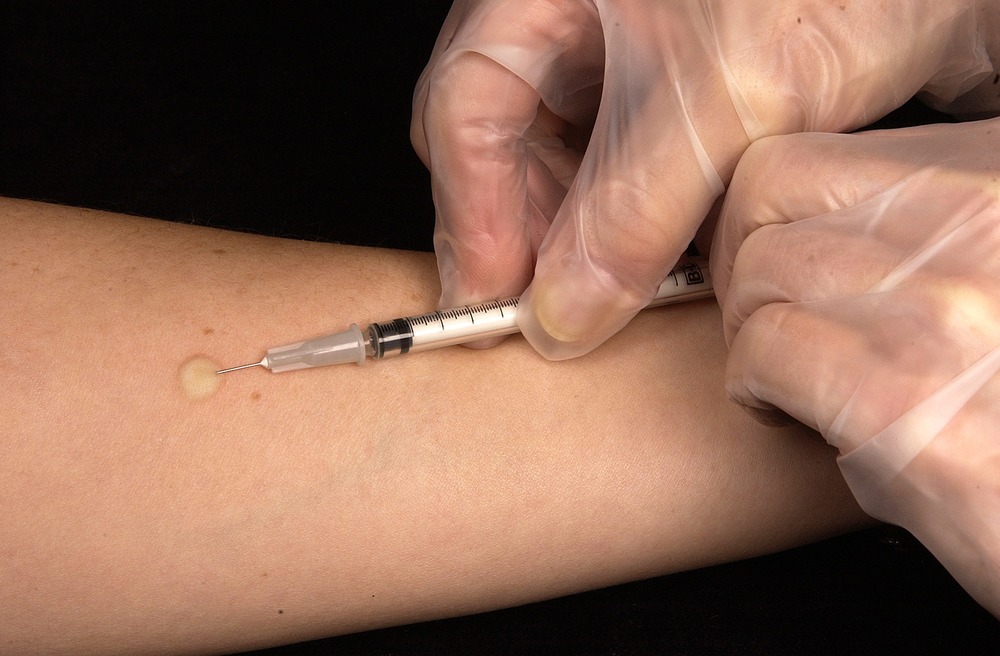
If you have been following the news, details about the Zika virus seems to be recurring at every hour on various news channels. In addition to the Lassa fever updates, the reports about the Zika Virus are also spreading like wild fire. What is this Zika Virus anyway? It is a virus that is spread to people through mosquito bites. In addition to malaria and dengue, certain mosquitoes now carry a virus that causes symptoms that may be considered mild. This is due to the fact that hospitalization from Zika because of the severity of the symptoms have been uncommon so far. The most prevalent symptoms of the Zika virus are fever, pains in the joints, conjunctivitis and rashes.
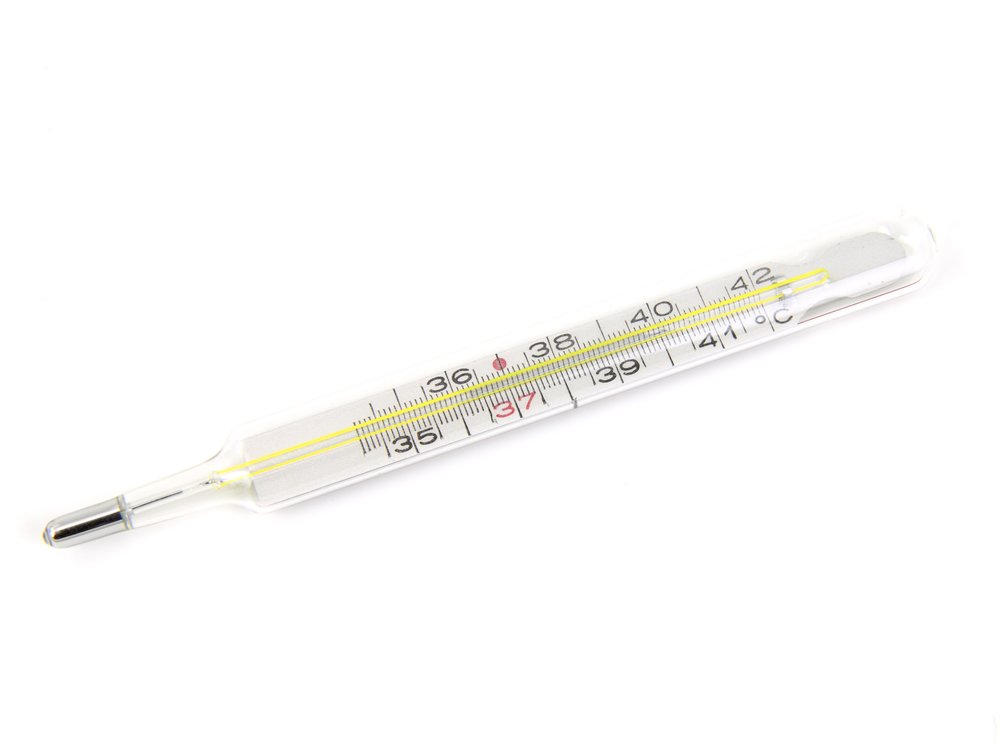
The symptoms usually appear mild and last from several days to about a week. We have listed 10 facts about the Zika Virus that you should be aware of.

10 things to know about the Zika Virus

  1. 1 in 5 people who are infected with the Zika Virus actually become sick.
  2. The Zika virus is transmitted to people through the bite of an infected Aedes mosquito. This mosquito is also responsible for diseases like chikungunya and dengue
  3. The disease is not fatal but poses a risk to pregnant women’s fetuses. It also affects anyone living in the area that has not been exposed to the virus before.
  4. No vaccine or medications are available yet to prevent or treat the Zika disease.
  5. The Zika virus has not been confirmed that it can be passed directly from person to person through fluids. So far it can only be transmitted through the mosquito that carries it.
  6. May 2015 in Brazil confirmed reports of the virus transmission in the northeast part of the country.
  7. The Zika virus symptoms usually begin between 2 to 7 days after being bitten by the infected mosquito.
  8. As a great measure to protect yourself, avoid traveling to countries that the outbreak has been reported. If you have to, use repellants and avoid areas and times where mosquitoes may roam.
  9. The virus is linked to Microcephaly in infants which means infants are born with smaller heads. This means there is a high possibility that their brain development would be stunted.
  10. A Vaccine is currently being developed to curb the spread of this disease.

It is important to stay informed about these diseases and when vaccines are developed. It is also important for pharmaceutical companies that would produce the vaccines to protect these products from counterfeiting. No matter how well intentioned pharmaceutical companies are, they must be aware that counterfeiters always look for creative ways to boost their own bottom line. If you are a pharmaceutical company that would need protection of your products when the vaccines are developed, Sproxil will always be here to help secure your products throughout the supply chain from the factory to the consumer.

P:S

Sexual transmission of Zika Virus has been confirmed
 

The Best Loyalty Rewards For Your Customers

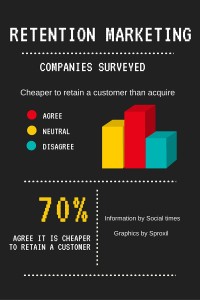
Surveys have been conducted in recent times to prove that retention marketing is more effective than acquisition marketing. For those that do not understand the concept of retention marketing, it involves creatively using loyalty rewards to keep your customers happy and encouraging repeat business. 70% of companies say it is cheaper to retain an existing customer than acquire a new one. 49% of companies claim to achieve better ROI in relationship marketing in comparison to acquisition marketing. (Source: Socialtimes)

Given this numerical picture, it is important for companies to heed the advice of their peers and look for creative ways to retain the customers they already have. One of such ways is by rewarding them. In these tough economic times, customers are looking for ways to reduce their expenses. Their first step will be to evaluate the usefulness of a brand to them beyond the product or service. If they do not feel a personal attachment to the brand, guess who would be first on the list to get eliminated?

Before embarking on a loyalty rewards program or campaign to deploy, companies must first analyze the current state within the company. Are your customers dropping off like flies or are they upgrading their products and services within your system? The initial assessment need to be done before deploying the loyalty program.

Here are four Loyalty Rewards that your customers would appreciate;

Reward Referrals – Reward your customers for referring other customers. This could be done using a point system or actual physical rewards for a significant number of clients referred. This helps your company reduce it’s acquisition cost as customers these days trust word of mouth before your marketing piece.

Point Cards – Point cards are creative loyalty rewards tools because they encourage repeat business and is flexible with the definition of rewards you can provide your customer. For example, if your company decides after receiving 10,000 points, your customer can get a free gift or a certain amount of money off their purchases, they are more likely to buy more to make up those points. The more they buy to make up the points, the more sales your company has.

Partnership – Partnership with some stores where your product is stocked or other businesses that offer parallel services can help boost your brand and retain customers. Your points card can offer you insights into what other products your customers purchase and if they are parallel businesses, you can consider partnering with them to offer rewards to your customers.

Gamify your rewards – Games are always fun regardless of the age of your target audience. Implementing country and age appropriate games for the target market helps increase brand awareness but also rewards your customers and retains them. Gamifying your rewards also increases the virality of your campaign so whether or not people are initially participating, they will hear about it and be curious enough to participate. This also reduces your customer acquisition cost and kills many birds with one stone.

For each campaign you run, measure the new customer retention rate once the campaign is over. The most accurate results are three months after the campaign to measure who stayed back after the frenzy. Measure how many customers acquired more products or services within your offerings also. That depicts the success of the campaigns you have run.

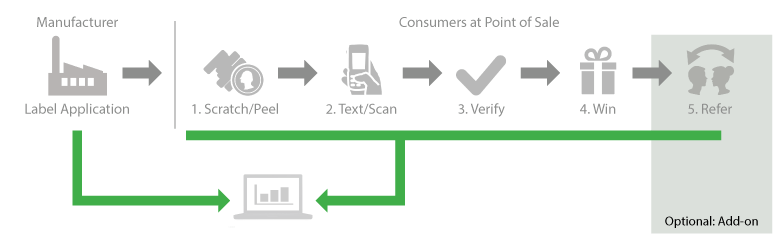
We at Sproxil have helped clients run very effective loyalty rewards campaigns with great success. Our loyalty rewards product is called Sproxil Champion which is a flexible point-of-sale consumer rewards solution with built-in fraud protection that empowers brands to offer consumers convenient opportunities to earn and redeem gratifying rewards from the brands they desire.

What creative loyalty rewards strategies have you deployed in the past? We would like to hear from you. Leave a comment.

The Role of Counterfeiting on Digital Media

E-bay, Etsy, Facebook, Pinterest and Alibaba have all been victims of counterfeiters in the past few years. With each passing day, it has gotten more difficult to fight off these counterfeiters but these digital media channels are refusing to give up so easily. Not only are these large corporations the victims, the end users also fall prey to these counterfeit products because of the trust relationship they have with these corporations. There have been a few news articles highlighting the effect of counterfeiting on some of these huge media channels as seen below;

The potential risks of counterfeiters attacking digital media channels are numerous. These large corporations are constantly seeking out creative solutions to combat this problem as it is becoming detrimental to their business. Some of the risks that these companies face include;

  • Additional resource allocation to combat counterfeiters
  • More funds spent to support the resource allocation
  • Reputation damage
  • Stock prices for each channel dropping
  • Additional legal resources required to sue the criminals
  • Decline in trust from the end-users

How can these large corporations combat counterfeiting?

For a company that is in control of the products, supply chain, distribution channels and retailers, counterfeiting is easier to combat. However, for a corporation that is not able to monitor every single activity of it’s users, details get tricky. It is not impossible to do but it is very time and resource consuming to. However time consuming, it is a necessary step that must be taken in today’s online world to combat counterfeiting. Some action items a corporation can consider implementing are;

Define the problem – This is a very important step many companies eliminate from their process. It is important to identify the gravity of the issue at hand and the extent of the damage before recommending probable solutions.

Build an anti-counterfeiting team – Whether your team is built internally or externally, it is important to have one. Companies would efficiently solve this issue if they outsource the help initially while training an internal team to be better equipped.

Identify the list of perpetrators – There would be popular websites that counterfeiters use to sell their goods and it is important to identify those links and prevent access to those websites. Pinterest already does a great job of protecting their users by preventing access to those websites.

Block Access – After the list of perpetrators have been identified, prevent your end users from accessing those websites and also report those sites to the appropriate governing bodies. For example, the StopFraud.gov website is a great tool to use.

Communicate – It is important to communicate to your strategic partners and end users what the situation is at hand. For strategic partner relationships, especially with other companies that sell goods through your website, you can recommend some anti-counterfeiting solutions to them. Depending on the products they have, Sproxil and a host of other solutions may be ideal for your partners. For your end users, draft up posts that notify them or emails stating the work you are doing to combat counterfeiting on your website. Inform them of steps they should also take to protect themselves.

Finally, keep up with the trends and discussions on how other large corporations are fighting anti-counterfeiting. If your company whether large or small is facing a counterfeiting problem, email us at team@sproxil.com to speak to one of our consultants and we can discuss the best solution for your corporation.

Mechanics and Fake Auto Parts

Have you ever gone to the hospital and come out worse off than when you first got in? That happens to us sometimes when we take our cars to the auto repair shops and expect it to come out brand new but it comes out with fake auto parts that damage your car. Sometimes the mechanics mean well. You go to them with a problem with your car and based on the knowledge they have, they try to rectify your problem but they end up causing more damage than they intended. This damage is as a result of the fake auto parts that they have sourced. The cost of operation for an auto repair shop depending on the country they are located can sometimes run high. In order to reduce cost, they source substandard or outright counterfeit auto parts as this helps them keep costs low and profits high. We have to ask ourselves the important question: “these low costs come as a cost to who?”

The mechanic may end up getting repeat business as a result of the substandard goods. However is this the type of repeat business they accounted for? Whatever the case, the consumer ends up getting the shorter end of the stick which may result in more costs to the consumer because they end up coming back for more repairs. This method of cutting corners on the part of the mechanic by providing fake auto parts could also be fatal to the consumer as bad products could result in accidents.

What can consumers do to prevent fake auto parts in their car?

  • Enquire about the details of the issue of your car before giving your approval of the repair of the car. Seek a second opinion to ensure the same issue has been identified.
  • Ask detailed questions about what parts are required for the repairs so you can independently source for these products.
  • Insist on going with the mechanic to a trusted auto dealers shop to purchase the necessary parts. When at the store, be sure these parts are genuine using the tips we suggested here on an earlier post.
  • Confirm if there are any existing warranties that will protect you as a consumer if these products are not authentic.

Have you ever had issues with fake auto parts? How did you resolve it?

Five Mobile Marketing Tactics

Mobile marketing is here to stay. Whether it’s via SMS or Mobile app marketing, forward thinking companies are employing creative strategies to target their customers. In countries like Nigeria, telecom companies bombard your phone with text messages that may or may not be relevant to the customer. They are just at the stage of their marketing where they have phone numbers, they have heard mobile marketing works and want to jump on the train and do it anyway. Most of the time it is not executed properly and it ends up being a pain for the customers that are receiving them. This post will break down five mobile marketing tactics that would guarantee you a successful campaign.

Mobile Marketing Tactics

Simplicity goes a long way

Yes, it is true that a large percentage of consumers are more likely to open your text message than read your email, and that they are likely to open it within the first three minutes of receiving it by text. Yet the speed of opening your message does not compare to its readability. As quickly as they open it may be the same speed they would use to close it and possibly delete that message. It is therefore important for you as a company to not only simplify your message, but hit the nail on the head with it. The shorter and more insightful the message is, the higher the likelihood of the campaign success.

Speak the consumers language

Depending on how you obtained these phone numbers in the first place, there should be some context to the message you are trying to communicate to the consumers. If you ran a Sproxil Champion Campaign, for customers that purchased your products in a text and win promo, you know those consumers are interested in that line of product. For example, if it was a “text and win” promo for diapers, you know the consumer just had a baby or has had one for a few months. That consumer is interested in all the baby information they can get their hands on at that point in time. Crafting an SMS marketing campaign after the promo is over to send out useful baby information to the customer builds a stronger brand connection for the consumer. Speaking their language without overly promoting yourself in the first instance is the recipe to a creating customers with a strong life time value.

Include Call To Action

Any campaign without a call to action is almost as good as not running the campaign at all. Yes you are guaranteed the delivery of the messages, but how will you know if your customers read it? It also fair to say that not all customers that read your text click on the call to action link. It is however a good way to track the success of your campaign given that you did everything else right.

Link to other media

A campaign that can transcend the medium in which it originally was received can clearly be termed a successful one. If you have other channels that could use consumer engagement then why not target them through SMS initially and have them cross over. It helps your brand stay top of mind for your consumer if you are regularly active on those channels you are driving traffic to.

Customer Service

Depending on how large or small your customer service department is, what better way to personalize your service offering to your customer. If your department is large enough to handle the queries, then by all means promote your customer support offerings through SMS. It helps customers get a faster response to their queries and it reinforces a positive experience in their minds about your brand.

Mobile marketing can be intrusive and complicated if not done right. Equipped with the above tactics, your company can take on any mobile marketing campaign they may desire to run in the nearest future. If your company is looking for a company to handle this for them, check out our Sproxil Champion product and we would be happy to discuss this with you.

What to Know About Lassa Fever

According to the CDC, “Lassa fever is an acute viral illness that occurs in West Africa. The illness was discovered in 1969 when two missionary nurses died in Nigeria, West Africa. The cause of the illness was found to be Lassa virus, named after the town in Nigeria where the first cases originated.” (Source : CDC Lassa Fever Fact Sheet)

Lassa fever has become a source of morbidity and mortality to the residents in the regions of West Africa where the virus is prevalent. The fever itself does not display significant symptoms and may be mild in majority of the cases. 20% of the individuals affected by this disease have more complex reactions.

Lately in Nigeria, there has been an outbreak of the Lassa fever that is worthy of media coverage because it is spreading at a disturbingly rapid rate. The current death rate of Lassa Fever in Nigeria is at 43.2 percent which is considered an alarming rate by any standard. The Lassa virus is known to be present in significant amounts in rodents and is transferred to humans through several points of contact.

How is Lassa Fever Contracted?

When the infected rodents pass their urine or droppings, the virus is present on the surfaces they defecate on. When humans touch these surfaces, they are very likely to contract the virus. In some parts of Nigeria, where rodents are a delicacy, they can also contract it from consumption of these infected animals. This virus can also be contracted from the air. When humans inhale tiny particles from the rodents excretion, they are also infected. Contaminated equipments used on persons with the virus can be spread to the next person. Exchange of body fluids will also result in contamination.

Symptoms of Lassa Fever

Although the symptoms are mild for most cases, there are still some symptoms to watch out for. This usually occurs in the first three weeks of being in contact with the virus:

  • Slight fever
  • Weakness
  • Headache

It could also progress into more severe symptoms such as:

  • Hemorrhaging
  • Respiratory challenges
  • Vomiting
  • Chest pain
  • Facial swelling
  • Hearing loss
  • Tremors

Treatment of Lassa Fever

The antiviral drug that has been used to treat this disease in it’s early stages is called Ribavirin. In addition to the anti-viral drug, patients are required to receive additional support in maintaining their fluid levels, blood pressure and general follow-up healthcare.

Prevention of Lassa Fever

There are several ways to prevent Lassa fever in your home, but here are a few tips;

  • Keep your home clean and free of rodents.
  • For the time being, avoid rodent consumption especially if it is a delicacy in your region.
  • Properly cover your food to prevent contact with rodents.
  • Use protective clothing like gloves and masks to handle areas where you believe rodents have contacted.
  • Fumigate your surroundings.
  • Sterilize all your equipments to prevent transmission from person to person.

Armed with the above information, you are better equipped to treat and prevent the spread of the disease.

If you’re a pharmaceutical company, keep in mind that counterfeiters take advantage of these situations by offering false hope to desperate consumers. To prevent the illegal duplication of your products, threat to your patients, and damage of your brand’s reputation, protect your Ribavirin medications with the Sproxil Defender product.

Is the Lassa fever prevalent in your region? How are you dealing with it?

Eight Strange Facts About Counterfeiting

Counterfeiting is a global problem that has been detrimental (even devastating) to man, yet strangely beneficial to others. Yet when many think about counterfeiting, they see it as a group of villains producing and selling fake purses, DVDs, medicine, and even car parts. Many do not know how pervasive and complex the problem is beyond the usual suspects of fake goods. To illustrate that, we are highlighting eight facts about counterfeiting

Facts about Counterfeiting

1 There’s a counterfeit Disneyland

The “Beijing Shijingshan Amusement Park” opened its doors in 1986 with the tagline: “Disneyland is too far.” With very similar structures and offerings to Disneyland, the park faced some legal issues with copyright infringement. Despite the battle, its popularity has allowed them to expand their amusement park over the years.

 Image Source: http://www.cnbc.com/2015/04/09/chinas-craziest-counterfeits.html?slide=2
Image Source: http://www.cnbc.com/2015/04/09/chinas-craziest-counterfeits.html?slide=2

2 It’s not just Disneyland, it’s entire cities

China has made incredible strides to replicate famous cities around the world, even hiring architects from . From Paris to Manhattan, counterfeiting has never seemed so physically large-scale than this. Source: Business Insider

3 More is not better than less

Counterfeit medicines are criticized for not containing enough or any of an active ingredient (the piece that makes medicines work). But sometimes the opposite issue occurs. In 2009 in China, an Anti-diabetic traditional medicine, which was used to lower blood sugar, was found to contain six times the normal dose of glibenclamide. As a result of this, two people died and nine people were hospitalized. Source: SciDev.net

4 Counterfeiting happens in the U.S. too

Developing markets around the world are often the target for counterfeiting; limited governmental oversight and resources make counterfeiting a very prevalent issue in many of these countries. But many don’t realize that no place in the world is immune to fakes. In the United States in 2014, 75,836 cases were reported to the U.S. Sentencing Commission and of these cases, 478 involved counterfeiting. Think it’s not a problem? Think again. Source: United States Sentencing Commission

5 Even legitimate brands copy

Between 2011 and 2012, famed luxury shoemaker Christian Louboutin won a legal battle against luxury brand Yves Saint Laurent over the trademark of its red-soled shoes. Going forward, any shoemaker that desires to paint red on the soles of their shoes has to pay permission rights to Christian Louboutin. Source: Cnbc

 Image Source: http://en.pambianconews.com/wp-content/uploads/sites/18/2012/12/ysl-thenigerianreporter.jpeg
Image Source: http://en.pambianconews.com/wp-content/uploads/sites/18/2012/12/ysl-thenigerianreporter.jpeg

6 Fake medicines in India is a massive problem

Many high quality medicines come from India, who is the world’s largest manufacturer of generic drugs. That esteemed title also makes it a hotbed for counterfeiting. “[The country] may have as much as 12 percent to 25 percent of their supply contaminated with substandard and counterfeit medicines, and up to 40% of the drug supply in some African nations may contain counterfeits.” Source: lilly.com

7 Buying counterfeits supports bad people

Fake products are not just bad because they can harm you, but they can fuel larger organizations whose profits go toward dangerous causes. “Recovered Al Qaida terrorist training manuals revealed that the organization recommends the sale of fake goods as one means to raise funds to support terrorist operations. John von Radowitz, Fake Internet Goods ‘Linked to Terrorists’, Press Association, June 25, 2002. This same article noted that Hezbollah traffics in counterfeit pharmaceuticals. John von Radowitz, Fake Internet Goods ‘Linked to Terrorists’, Press Association, June 25, 2002.” Source: Facts on Fakes

8 You can even fake history

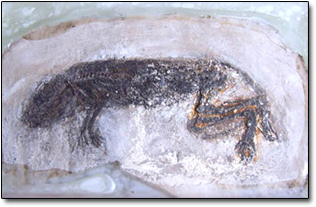
Museums, the History Channel and the National Geographic Channel have done a great job educating us about our history, fossils, living and extinct animals, and entire ancient civilizations and ways of life. Archaeologists work hard to uncover precious and rare fossils, but their work was undermined by the black market. In 1970, the Chinese fossil market took off and the artifacts were sold country-wide until they ran out. They then decided that making their own fossils could be a lucrative business. Today, China is the biggest counterfeit supplier of fossils in the world. The picture below shows a fake rat fossil made from calcified fish. Source: Cracked.com

 Source: http://www.cracked.com/article_19742_the-5-most-insane-examples-chinese-counterfeiting.html
Source: http://www.cracked.com/article_19742_the-5-most-insane-examples-chinese-counterfeiting.html

Do you have any interesting counterfeit stories to share? Leave a comment below.


Five Customer Retention Strategies That Work

If you are a serious business in 2016, you have already or are currently plotting and planning creative customer retention strategies to implement this new year. Sitting with top and middle management, the sales and marketing teams, account managers and other key stakeholders are important parties in this planning process. While we at Sproxil have already made plans for our 2016 strategy, it is not too late to start yours. Gather your team together and start having conversations around the vision, strategies and tactics you will need to execute this project. What are your business goals? How do you plan to implement them? What media will you use?

Before you start planning for the new year, take a step back with some of these tactics:

  • Conduct an honest and comprehensive review of your customers’ satisfaction by deploying surveyings and having one-on-one interviews. If there are review sites for your product(s), look at those too
  • Begin strategizing ways that you can improve your customers’ satisfaction. What do they want more of? Less of?
  • Evaluate previous strategies (if any) and determine what worked and what did not
  • Look to industry leaders, competitors, and online resources to learn about new tactics that could work for your product
  • Learn why previous customers have migrated to your competitor

Customer Retention Strategies to Employ

1 Set your customer’s expectations

Before you get into the details of planning, set realistic expectations of what you expect from customers and what you would be willing to offer them. Create buckets for each of your customer demographics. Take your budget into account, take the pain points into consideration and strategies that worked previously. Be ready to under promise and over deliver to them. This way, you’re not scrambling to put together products and features that your promised but had not yet created. Honesty to yourself is key.

 Image Source: https://myblindspot.files.wordpress.com/2011/01/ilustracion02.jpg
Image Source: https://myblindspot.files.wordpress.com/2011/01/ilustracion02.jpg

2 Recover the lost flock

Develop creative strategies to bring back customers you may have lost in the past. Based on your initial review of why you lost your customers in the first place, tap into the consumer insights gathered and reform your strategy. Offer a competitive price, run aSproxil Champion campaign, follow up with them and address concerns they may have. Perhaps a discount will lure them back in or proof that your product has improved since they left. While there may be a chance to get them back, consider the value of the customer. Is it worth the time and effort for your to bring them back? If it is, starting courting again! If not, cut your losses and concentrate on the valuable customers you want back.

3 Choose the right platform

Depending on the country you live in, you have probably already identified the most effective platforms to reach your customers. In some countries, radio works best, in others, the store front is the most appropriate platform, and yet for others, online is the best route. Whatever the case may be, identify the appropriate platform(s) and develop a creative campaign to target them there. Perhaps a multi-platform promotion via web and mobile work best.

4 Treasure the complainers

Customers that are not satisfied with a product or service and have disconnected from the brand are more likely to walk away. However, customers who come back to complain may offer you important insights and an opportunity to win them back. Consider their Customer Lifetime Value (CLV) when determining how much effort and discount you would be willing to give in order to keep the customer. When the customer’s problem has been solved, take into serious account all of their complaints: both what was said an left unsaid. Some things will be glaringly obvious in their complaints but the unsaid things can be real gold. Insights from unhappy customers can help improve current processes and help you retain future customers. Remember: choose your battles carefully; not all customers can offer productive feedback. You will need to know when it is no longer profitable for you to retain a customer.

 Image Source: http://static1.squarespace.com/static/5263160be4b0d652edf3414a/t/5489a75fe4b051e70e1870d7/1418307423268/
Image Source: http://static1.squarespace.com/static/5263160be4b0d652edf3414a/t/5489a75fe4b051e70e1870d7/1418307423268/

5 Measure

All your customer retention strategies are useless if you do not measure the before and after. What numbers are important to you? Set metrics and Key Performance Indicators (KPIs) that help you determine how well you are doing. Once you set what KPIs are important to you, calculate your baseline. What kind of improvement needs to be made to help you meet your KPI? What kind of promotions can be utilized? What do you do for at-risk customers who are considering switching to a competitor? With a service like the Sproxil Champion Promo Campaign, not only can you increase engagement to better meet your KPIs, you can use the data from the campaign to make smarter, more targeted campaigns in the future.

Now that we have armed you with some helpful starting points:

  • Have you sat with your team to discuss customer retention strategies?
  • What worked for you previously? What didn’t?
  • Are you ready to take the 2016 bull by the horns??

If you would like to discuss the implementation of the Sproxil Champion into your program, please send an email to team@sproxil.com citing this blog post and we will work with you to create unique campaigns that fit your customer base and market.

Impact of Counterfeit Pesticides

Did you know?

In China and India, illegal pesticides are believed to comprise about 30 percent and 20 percent of the pesticide markets in these countries, respectively

(Source: University of Florida IFAS Extension)

China and India are not the only countries dealing with the problem of counterfeit pesticides; it is a global problem with adverse effects on all stakeholders. Counterfeit pesticides affect all aspects of the economy from the market to the environment to the end consumers. Before we discuss solutions, let’s talk about the impact of counterfeit pesticides.

The Impact of Counterfeit Pesticides

IT’S A THREAT TO THE MARKET

  • Low detectability
  • Financial impact
  • Reputation and brand erosion

Counterfeit pesticides are very hard to detect due to the sophisticated packaging and labeling that counterfeiters use to disguise their products. Some fake products even bear anti-counterfeiting labels and technologies that make it more difficult to detect and separate the genuine products from its substandard counterparts. When farmers buy fake pesticides, genuine businesses are losing market share to counterfeiters. Furthermore, fake versions of branded products hurt the reputation and brand name of genuine companies and put them at risk for unnecessary law suits.

IT’S A THREAT TO FARMERS

  • Financial impact
  • Poor efficacy
  • Health impact

When pesticides do not work as intended, farmers waste money on products that poison their crops or leave them susceptible to harmful pests. No crops mean a significant impact on their livelihood, further impacting their financial health. Even worse, if the fake pesticides contain dangerous and toxic chemicals, the farmers could be putting their health and wellbeing at significant risk.

THREAT TO END USERS

  • Health impact

Farmers are not the only ones who can be impacted by toxic chemicals used in fake pesticides. If crops with fake pesticides make it to market, end consumers could be at risk of ingesting dangerous chemicals, leading to short term and/or long term health effects.

IT’S A THREAT TO ENVIRONMENT

  • Toxic ingredients
  • Water contamination

Ingredients that are not approved for use in pesticides can potentially damage the environment. Fake pesticide may not decompose easily, hurting the soil, water, and the overall ecosystem. This can lead to longer term issues with future crops that are planted in that soil.

IT’S A THREAT TO GOVERNMENT

  • Financial impact
  • Job creation
  • Innovation and efficiency impact

The government is not immune to the impacts of counterfeit pesticides. The cost spent to fund enforcement and compliance of using approved pesticides can be great, depending on the significant of agribusiness in the region. If the industry is compromised, it does not grow, leading to reduction in jobs, further negative impact on the economy, and more pressure on government. If the threat of counterfeits were taken out of the picture, government could spend more resources on productive ways to promote industry innovation and efficiency.

What Can Be Done?

There are several solutions to the problem, which, when used in tandem to one another, can create a strong barrier against the threat of fake pesticides.

  • Improve detection strategies (anti counterfeiting solutions like Sproxil)
  • Increase awareness and education of the problem and available solutions
  • Promote vigilance with farmers and end consumers
  • Improved enforcement for compliance by the government
  • Take a proactive approach in detection and combating the issue by law enforcement
  • Improved purchase processes by farmers (authorized dealer purchases only)

IN ORDER TO DO THIS

While individual stakeholders can make a significant impact on protecting their own farmers and end-consumers, collaboration and government involvement are key requirements for combating fakes.

We need

  • Collaboration of all stakeholders
  • Greater government involvement

Many companies around the world, from small farms to multi-national businesses, are threatened by counterfeit pesticides. If you or someone you know works for an agri-business company, get in touch with us. We’ll work together to develop creative solutions that help you fight counterfeiting and engage your consumers.

Happy New Year from Sproxil

On behalf of the Sproxil global team, we would like to wish you all a happy new year and we hope 2016 brings all you desire and productivity in your businesses. This 2016, we will be updating our approach at Sproxil to strengthen collaborative relationships, improve communication and execute a flawless service delivery to all our clients.

In light of improving our communication and services, we have streamlined our products to reflect what Sproxil offers its consumers. We have renamed our products to reflect this.

  • Sproxil Defender™ (Formerly “MPA/Anti-counterfeiting”)
    • A point-of-sale product verification solution, empowers consumers to use their own mobile phone to instantly identify genuine products in the marketplace and grow the trust they have in their favorite brands.


  • Sproxil Champion™ (Formerly “Loyalty & Rewards”)
    • A flexible point-of-sale consumer rewards solution with built-in fraud protection that empowers brands to offer consumers convenient opportunities to earn and redeem gratifying rewards from the brands they desire. Also available as a bespoke solution for distributors to help brands ensure distributors receive genuine products and earn rewards for their trust.


  • Sproxil Informer™ (Formerly “Track & Trace/DGFT”)
    • A robust track and trace system that helps brands secure and monitor their global supply chains, from the manufacturer through the warehouse to the retailer and all points in-between, with optional consumer engagement to provide true end-to-end security.


Our consulting services still remains the same

We equip you with the right tools and guidance to optimize your supply chain, leverage market expertise, and customize your anti-counterfeiting and consumer engagement strategies. Whether it is assisting manufacturers in getting labeling equipment or implementing a mobile-first consumer engagement strategy, we are always actively involved.

If you would like to read more about the solutions Sproxil offers, check out our website for more information.