Top Five Counterfeit Christmas Gifts

It’s that very wonderful time of the year again and the pressure of christmas shopping is upon us. Our little girls want the newest Barbie® dolls and our boys want the coolest Lego® toys. Your wife has been eyeing those Christian Louboutin shoes and your husband has been drooling over that new gadget he saw in that tech magazine. Whatever the case may be, these gifts would certainly put a huge smile on their faces this Christmas. It is important that, when planning your shopping for these gifts, you are aware that Christmas time is also the best time for counterfeiters. Counterfeit christmas gifts are pushed into the market more aggressively and at more affordable rates under the guise of providing amazing discounts to you, the unsuspecting consumer.

These counterfeiters prey on the emotions of consumers and the economic climate in a country. Consumers are always looking for the best discounts on products to shop for christmas gifts for their loved ones. As a result, they end up with substandard goods that sometimes causes more harm than good.

Some things to keep in mind to avoid buying some of these counterfeit christmas gifts are:

Price: If the price seems too good to be true, it probably is. Research the actual prices of these items online and see if the company itself is offering a discount to its customers. If a product just launched and is priced at $100 and you are able to get it for $50, it is likely a substandard good. Be wary of deep discounts.

Source of item: If the person that sold that item to you is selling it to you out of the trunk of their car and they are luring you to their car in a dodgy manner, that is a clear indication that the product is not real. Be wary of flea markets as well. When using online retailers, look at reviews of the products to see if there are any red flags or other warning signs.

Branded website: Most companies are aware that their goods have been counterfeited and have provided tips on their website on how to identify counterfeit products. Before you make that purchase, check out the company’s website for more information.

What are 5 popular counterfeit christmas gifts?

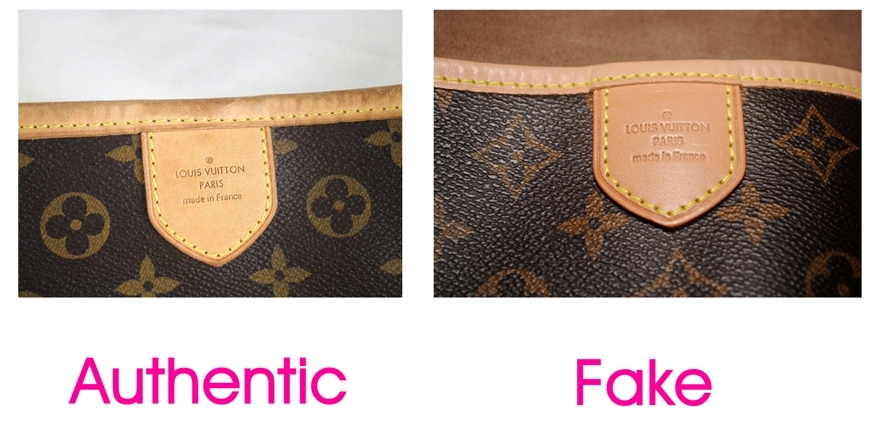
  • Luxury shoes, bags and leather goods
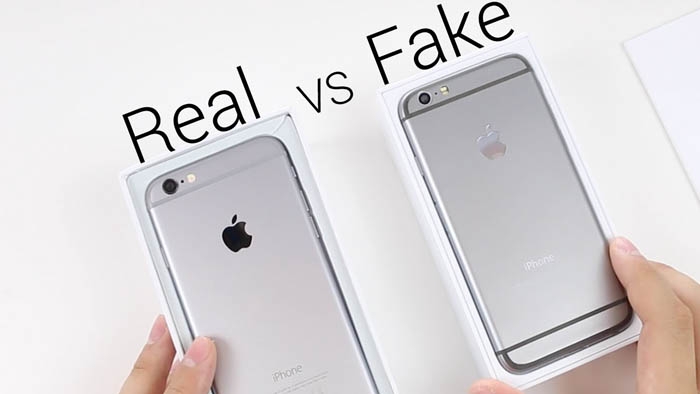
  • Smartphones, tablets and other electronics
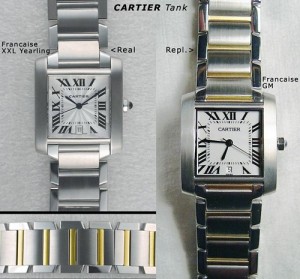
  • Luxury Watches and Jewelry
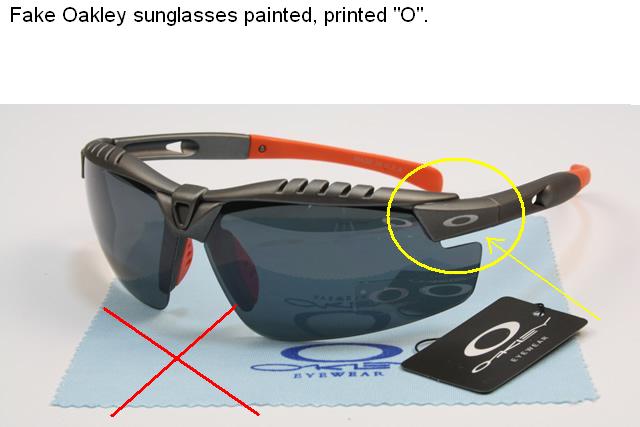
  • Sunglasses
  • Perfume

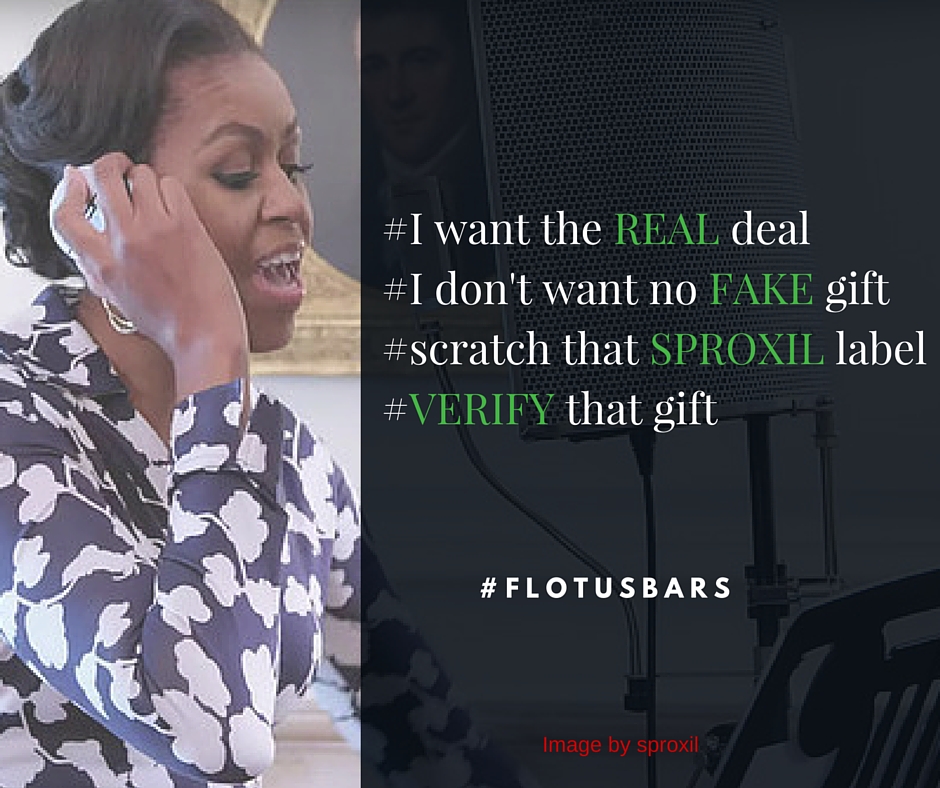
If you are a company in any of these industries, it is not too late to contact Sproxil to protect your products before the holidays. As a consumer, ensure you do your research before purchasing some of these gift items and scratch to verify whenever you can. Even Michelle Obama agrees.
Counterfeiting Shows Global Growth

According to Research and Markets, the landscape for brand protection has evolved substantially in the last few years and continues to do so.  Since the global economic slowdown in 2008, counterfeiting activity has continued to grow and exploit the economic climate of uncertainty.
The luxury goods industry has been particularly hit hard since around 2010. Having seen a significant increase in counterfeit luxury goods globally, brand owners have reported brand name reputation damage and revenue loss. This unfortunate incidence has been because of the large number of counterfeit products in the marketplace.

counterfeiting global growth

The International Chamber of Commerce (ICC) tells us that the growth of global counterfeiting across all end user sectors is now accelerating to around 15.6% annually between 2013 and anticipated 2018 (up from 6.8% annually between 2008 between 2013).

Although the counterfeiting problem is experiencing growth, Sproxil, along with other brand protection agencies are working hard to fight this problem daily. With the implementation of serialization solutions, holograms, scratch off labels depending on the country and it’s needs, brand protection agencies are developing creative solutions to combat this issue.

Are you using Sproxil to verify that you are purchasing genuine products? You can verify online – click here.

Sproxil Surpasses Twenty-Million Verifications

The twenty-million sproxil verification point marks a company milestone as we expand our efforts to help brand owners combat counterfeited goods from reaching the consumer.  
We have seen an accelerated rate of sproxil verifications over the past year which not only indicates our growth, but also the importance to brand owners and manufacturers that end-consumers are verifying that they are purchasing a genuine product. Fake products are often lower in quality and can cause human life-safety issues.

Counterfeited products are recognized as a multi-billion-dollar problem to brand owners and manufacturers around the globe. Our product verification technology is used by the consumer to verify that the product they are purchasing is genuine. Counterfeited goods can destroy the integrity of a brand, can have an impact on human safety and has led to the loss of hundreds of thousands of jobs. Our products can be used by virtually all industries, all of whom face similar counterfeit and comprised product concerns.

sproxil 20 million verifications

A press release is available – click here.

Interface Health Excellence Challenge

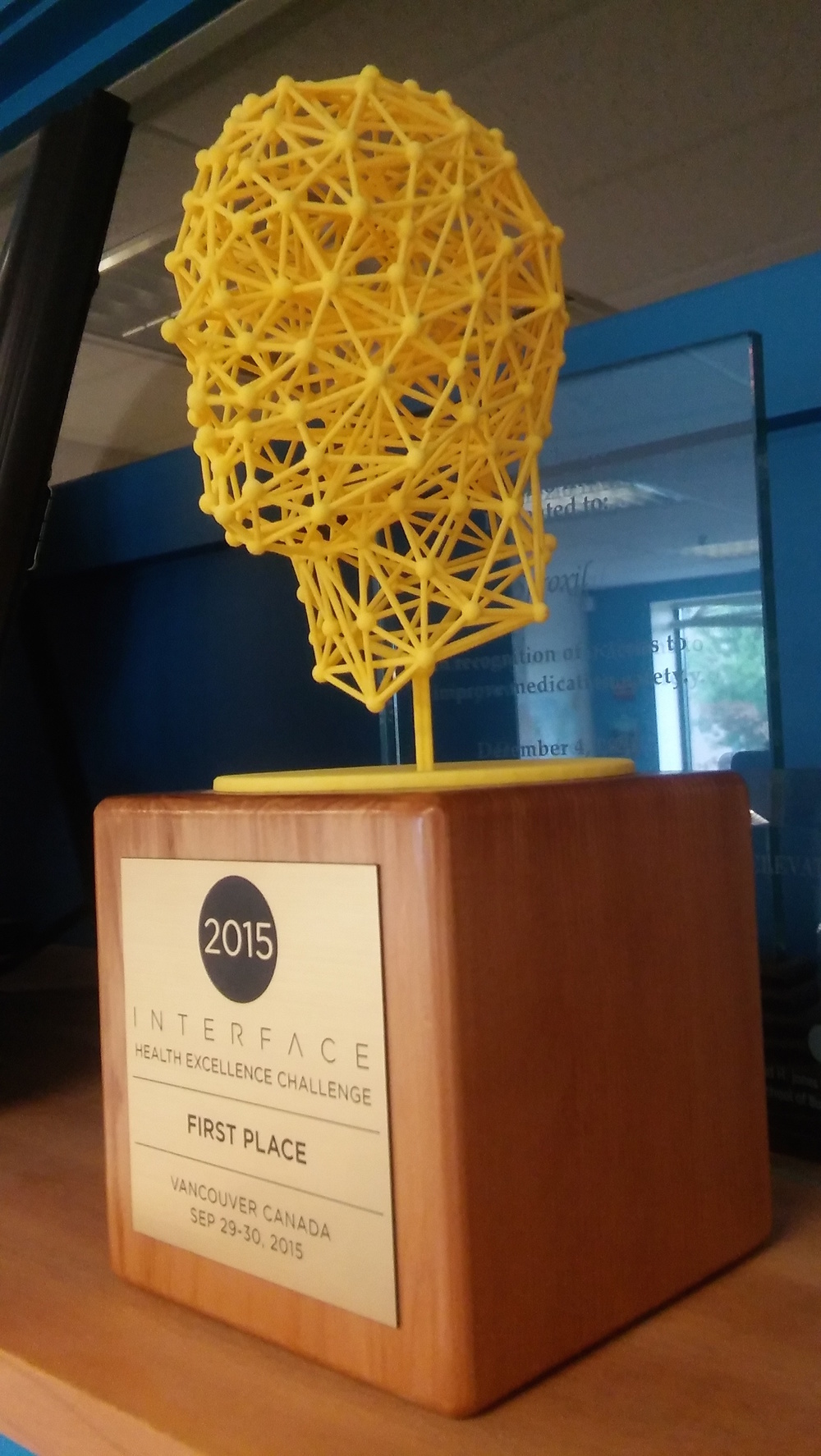
We are proud to have been chosen as the winner of the 2015 Interface Health Excellence Challenge (IHX Challenge). The Challenge is like the “Olympics” of digital health innovation. It is a global competition to find the world’s most innovative health entrepreneurs whose ideas and products can change health for the better. This competition covers 10 market-driven health categories and is open to smart, passionate, resourceful entrepreneurs from anywhere in the world. The TOP 10 finalists are chosen by a panel of industry experts, members of interfacehealth.com and patients.
Sproxil_Interface_Award

Salt Magazine’s Top 100

Congratulations to Ashifi for being honored by Salt Magazine for making the top 100 Most Compassionate Business Leaders. We join Salt in celebrating a movement towards corporates using their considerable power for good.

Who makes the list?

The Salt team drew on its collective years of experience within the world of business and environmental sustainability to draw up a list of global compassionate leaders based on the following criteria:

SUSTAINABILITY Leadership in terms of: renewable energy; resource conservation; agriculture; social and economic sustainability.
INNOVATION Have they pioneered ideas within their industry?
COMPASSION Have they created a company that transcends the standard business paradigm?
IMPACT How many lives have they changed?

See Ashifi at: Ashifi Gogo on Salt

5 Unexpected Fakes

With fake goods estimated to account for 5-7% of world trade ($600 billion per year), we have all probably run into at least a few counterfeit products at one point or another. For many people, particularly in the U.S., fake goods mean pirated DVDs and knock-off designer bags sold on the street. Counterfeiting, however, is present in virtually every industry and is not always as easy to recognize as a poorly printed cover or misspelled brand name. Here are five things we would not have expected to see faked:
1. Cigarettes

Agencies around the world have been warning people about the dangers of fake cigarettes. In Punjab, the Federation of Indian Chambers of Commerce and Industry (FICCI) found that at least 20% of the tobacco products sold were faked, and just last week, 1.5 million counterfeit cigarettes were seized in Poland before being sent to the UK and Norway. While genuine cigarettes already raise strong concerns about health, fake cigarettes have been found to contain ingredients such as cyanide, sand, and even plastic. Additionally, fake cigarettes are more likely to cause fires, as they are not designed to burn in a controlled manner like genuine cigarettes.

Source: icpress

2. Oranges

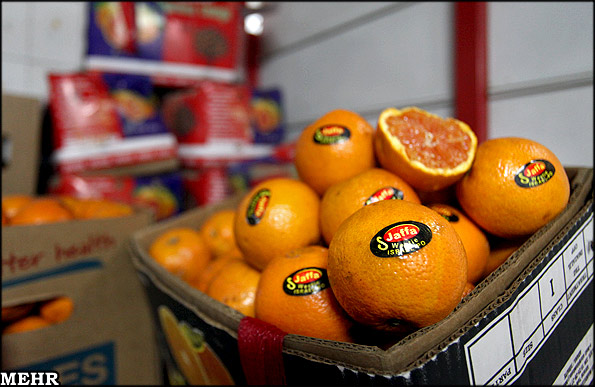
There are many examples of counterfeited processed foods and drinks (we wrote a blog post in June about the deaths of over 100 people in Mumbai as a result of consuming fake liquor), but how could unprocessed foods be faked? In Iran, officials discovered that oranges’ type and origin had been faked after they found a suspicious batch of oranges labeled as Israeli Jaffa Sweeties, even though Israel had banned trade between the two countries. Officials later learned that the oranges were not Jaffa Sweeties that somehow bypassed the trade ban, but rather a different type of orange from China with faked Jaffa Sweetie labels. In addition to faked Jaffa Sweeties, Australian officials have found oranges with fake Australian fruit company labels in China, when the oranges are actually from China and colored with toxic, artificial dyes to try and improve their appearance.

Source: http://www.mehrnews.com/fa/newsdetail.aspx?NewsID=866126

3. Tourniquets

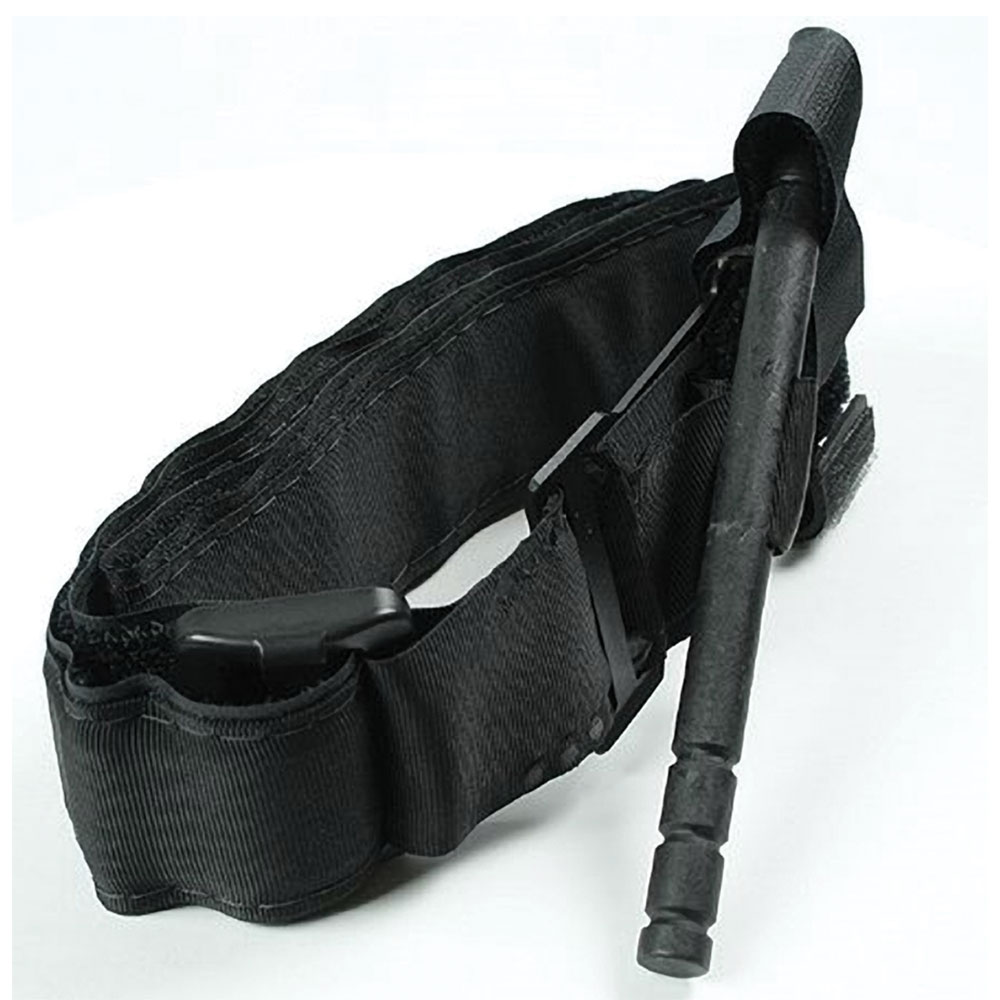
Although fake medicines often garner a lot of the media attention, they are not the only healthcare related products that are counterfeited. In fact, fake medical devices are becoming more and more common. This past week, New Hampshire officials learned that some of its first responders had been supplied with fake tourniquets, simple medical devices that help control blood loss during severe injuries. Officials discovered this after two tourniquets experienced an uncharacteristic “catastrophic failure” while paramedics tried to stop the blood loss from a patient’s leg injury.

Source: http://www.atlantictactical.com/product/elite-first-aid-c-a-t-tourniquet/elite_first_aid_inc#.VdSfh1NViko

4. Fake Celebrities and Businessmen

Sometimes a counterfeit is not even a physical product. In an article and short documentary published earlier this year, the New York Times reports on how Chinese real estate agents hire ordinary foreigners to pose as fake foreign celebrities to help sell their housing developments. The Atlantic also reported a similar story on how some Chinese companies hire foreigners to pose as a fake businessman in order to give the companies an “image of connection” outside of China to clients and other companies.

Source: http://www.larsskree.com/

5. Fake Stores

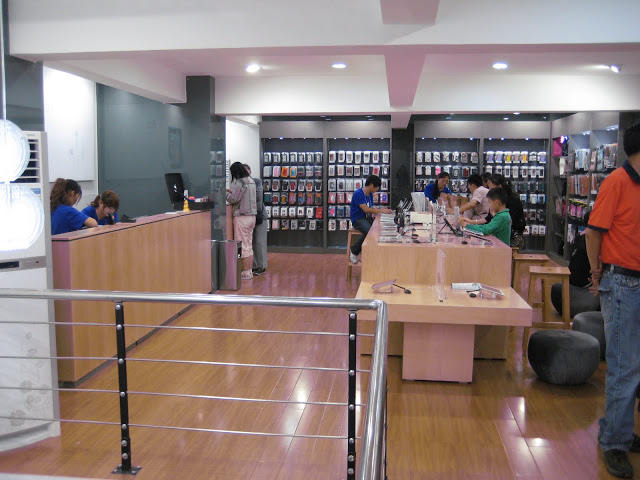
Lastly, when selling fake products is not enough, you can fake an entire store. In 2011, Chinese officials discovered 22 fake Apple stores operating in the country. The stores illegally used Apple’s brand and logo and staff wore extremely similar t-shirts and lanyards to the ones found in genuine Apple stores. Although it hasn’t been confirmed whether the fake stores sold genuine or fake Apple products, it’s hard to imagine that a fake store actually sold a genuine product.

Source: https://birdabroad.wordpress.com/2011/07/20/are-you-listening-steve-jobs/

While it may be shocking to learn that these 5 things have been faked, our expectations of what can and cannot be faked are exactly what counterfeiters prey on. As long as they can counterfeit something that consumers don’t expect and make it widely available, countless people will fall for their trap, losing money and putting their safety at risk.

What other unexpected fakes have you seen or heard about? Let us know in the comments.

Sproxil Officially Launches Operations in Pakistan

FOR IMMEDIATE RELEASE

SPROXIL OFFICIALLY LAUNCHES OPERATIONS IN PAKISTAN

Company Welcomes Auto Parts Company Western Exports As The First Client

Cambridge, MA (August 4, 2015) – Sproxil®, the leading global provider of innovative brand protection and loyalty solutions, today announced that it has officially launched operations in Pakistan and welcomed their first client, further expanding the global reach of the company. Pakistani consumers will now easily be able to verify that a product is genuine by SMS texting the unique code found on the package to short code 9786, using Sproxil’s consumer verification mobile app or verifying online at sproxil.com/verify. Counterfeited products are recognized as a multi-billion dollar problem to manufacturers around the globe.

Western Exports (WE), a trusted manufacturer of high-quality automotive parts for over 40 years, will begin utilizing Sproxil’s Mobile Product Authentication™ (MPA™) technology to help differentiate their piston and ring products from counterfeited parts. Consumers will be able to quickly verify that the products are genuine using their mobile devices at the point-of-sale.

“We established the Pakistan operations in response to the growing demand of consumers who want assurance that the products they are purchasing are genuine. We look forward to engaging with the estimated 80 percent of Pakistani consumers using mobile devices,” explained Ashifi Gogo, CEO at Sproxil. “We welcome Western Exports, the prestigious multi-national auto parts company, as our first Pakistani client.”

#   #   #

About Sproxil

Sproxil® is an ISO 27001 and ISO 9001 certified social enterprise that uses mobile technology to combat counterfeiting and increase brand equity with innovative, consumer-focused product protection and targeted marketing solutions. Its award-winning Mobile Product Authentication™ (MPA™) service helps ensure goods are not counterfeit or compromised, empowering consumers to verify product genuineness by SMS, mobile app, web or voice.

Compatible with any tangible item, MPA is widely used by leading pharmaceutical companies to curb the multi-billion-dollar counterfeit drug industry. MPA also protects products across multiple industries, including personal care, automotive aftermarket parts and electrical cables. The company has been recognized globally for its efforts against counterfeiting and is endorsed by regulatory bodies in Nigeria and Kenya. Sproxil received the U.S. Patent and Trademark Office 2013 Patents for Humanity Award in Information Technology, the 2010 IBM SmartCamp Boston Award and the 2009 Clinton Global Initiative Outstanding Commitment Award. In 2013, Sproxil was named the most innovative company in healthcare and #7 overall by Fast Company Magazine. Headquartered in Cambridge, Massachusetts, United States, Sproxil has operations in India, Ghana (serving West Africa), Kenya (serving East Africa), Mexico, Nigeria and Pakistan, with the ability to execute projects on six major continents.

About Mobile Product Authentication™ (MPA™)

MPA is simple to use and can be accessed by any mobile phone. Before purchasing a product, the consumers scratch a label to reveal a unique, one-time use code. They then SMS text the code to a secure number provided on the product package. Within seconds, Sproxil notifies the end user, via SMS, of the result. Alternatively, end users can verify using Sproxil’s iOS, Android, and Blackberry mobile apps, by web, or through the company’s call center to get results in their local language. The company provides the most channels to verify products instantly.

For more information and a full list of Sproxil’s solution suite, please visit http://www.sproxil.com

Pakistan Country Contact: Media Contact:
Faisal Raza Meliza Mitra
Business Development Manager
Lahore, Pakistan Cambridge, MA, USA
faisal.raza@sproxil.com meliza.mitra@sproxil.com
+92 321 607 8888

Benefits of a Customer Journey Map

In the world of marketing and product design, there is a shift in focus toward the ideas of “user centered design” (UCD) and “design thinking.” UCD and design thinking take a methodological approach to iterating upon design and processes based on feedback from consumers. It therefore is a cyclical process of improvement, not a linear one, that centers around the idea of user empathy. It involves enhancing the users’ experiences in their interaction with your product. As a part of integrating these ideas into your marketing and product design, you must build a customer journey map.
A customer journey map enables the company to place themselves in the shoes of their consumers (empathy). It helps relay the story of the consumer’s exact experience from the moment they come in contact with your product (or even before!) to the point where they purchase and eventually use the product or service (and even after!). This could range from the point of advertising to the application of the service or product in their daily lives.

walking in customers shoes

The Benefits of the Customer Journey Map

The customer journey map helps companies empathize with customers by studying their interactions surrounding the use of their products or services. It helps to identify loopholes within the company’s processes that may bar ideal product use and make improvements that are based on the real data. Here are a few examples of where loopholes may be identified.

Customer engagement channels – If 70% of your customers are above 65 years old, social media may not be the most efficient channel to reach them at the moment. While the population of adults online in that age group are increasing daily, the rate is not as fast as other age groups. Therefore, mapping out a 65 year olds experience may require the company to research and identify alternative customer touch points that better reach this target group.

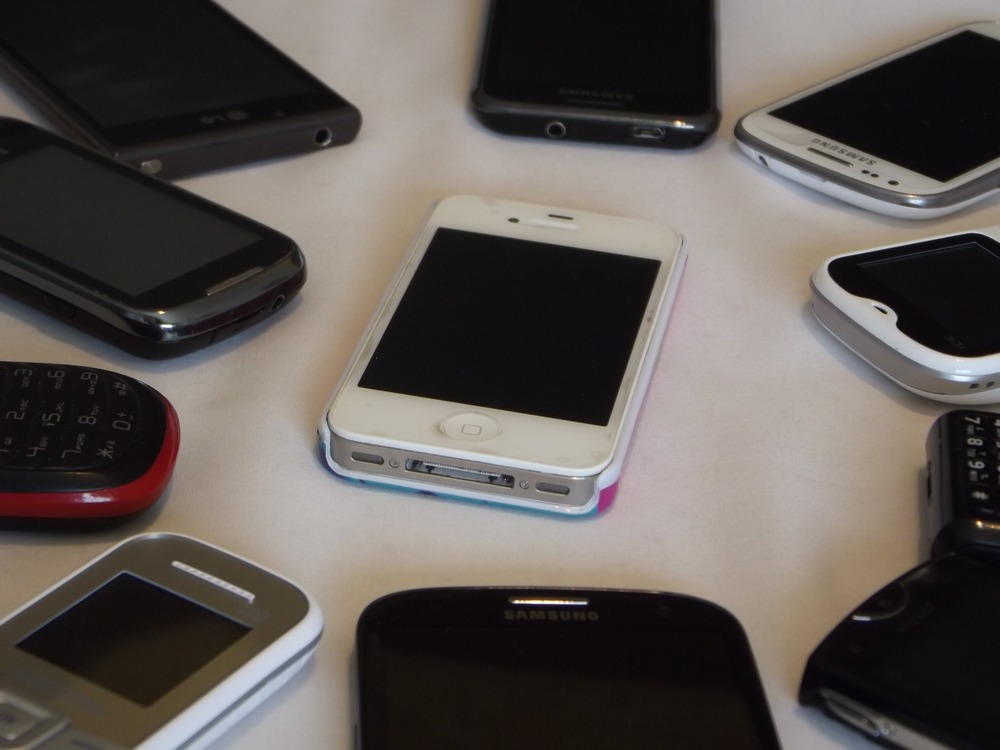
Know your media – If you run a technology business and have an app, you need to ensure your target market would be able to access and use the app in the way the company intended. For example, in a country where English is not the first language, you may want to give multiple language options. Another consideration is how your app can drain battery; in some markets where electricity is not always consistent, people’s behaviors on your app may be different. You may also need to consider what devices and operating systems are most popular within your target market to verify they would be able to interact with your product or service. Are they mostly feature phones? Android or iOS? How would that impact what you develop? Understanding the media in which your customers interact with your product or service is important in making it accessible.

mobile phones in customer journey map

Creating a Customer Journey Map

Now that we have identified some of the benefits of having a customer journey map, we can identify a few key steps on how to create a comprehensive map. If you are familiar with project management or software development, this process is similar to the agile methodology. The parallel lies in the idea of continually iterating and refining the map through research, analysis, and communication with customers.

  • Empathize – Put yourself in the shoes of your customer. What are the scenarios in which you, as the customer, would identify the need for a product? For example, a customer journey map of a grocery store may identify “customer recognizes need for food and requires re-stocking of supplies” as a scenario that may be the starting point of the customer journey. What is the process of getting to the product and interacting with it? What happens after this interaction?
  • Research – Based on information you already have, look into patterns that your customers have already exhibited. You could find these through analytics on your website, interactions with retailers at the front end, feedback surveys sent out to clients, and more. This information would help you understand starting points, middle points, and end points of your customer’s journey with your product/service.
  • Create – After identifying all the points of contact and information on research, begin to create your map. Consider drafting a comprehensive list of questions your consumers may have in every process of engagement and determining how answers to those questions fit within the journey. Have we made it easy for customers to obtain the information they need?
  • Present – After all the hard work has been done, pass it through different departments within the company to get feedback. Bring in customers and form a focus group, ask questions about their experience, present your map and listen to their feedback.
  • Reiterate – Based on the feedback they provide, rework the map until it reflects the true customers journey and use this to make changes to the processes within the company. This map is a living document; it will change over time as trends change and other disruptive technologies emerge. Never stop trying to refine the journey.

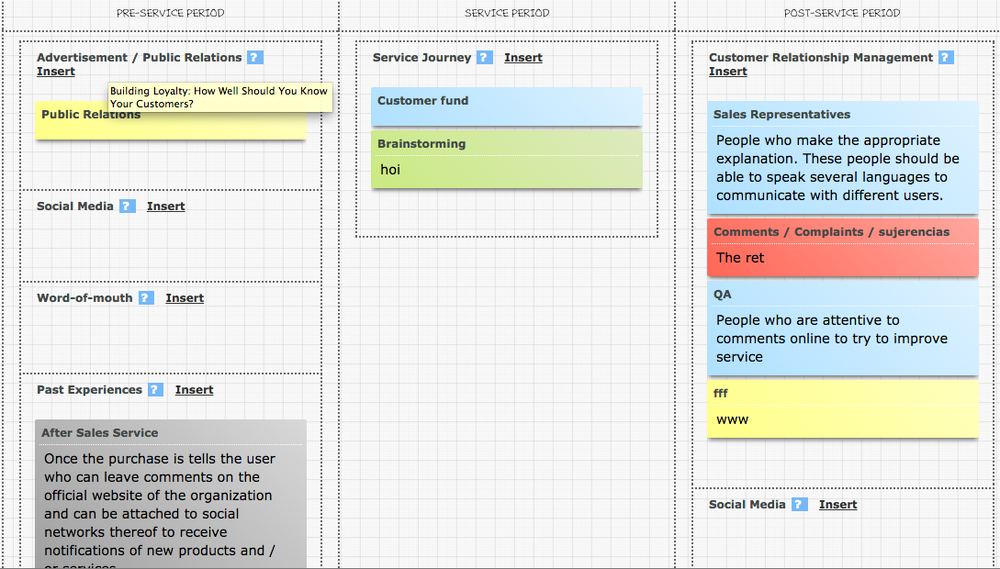
There are a few ways you can go about actually creating this map. You can either use a physical board in your office with post-it (sticky) notes or you can use a few digital tools. A great tool to use is the canvanizer. It helps you digitally map out your customer journey map. It can then be printed or sent as is for feedback.

customer journey map canvas

Have you mapped out your customer’s journey? How has it impacted how your company operates? Leave a comment and let us know.

If you would love to discuss creative ways to learn about customers, send us an email at team@sproxil.com

Customers and Mobile Coupons

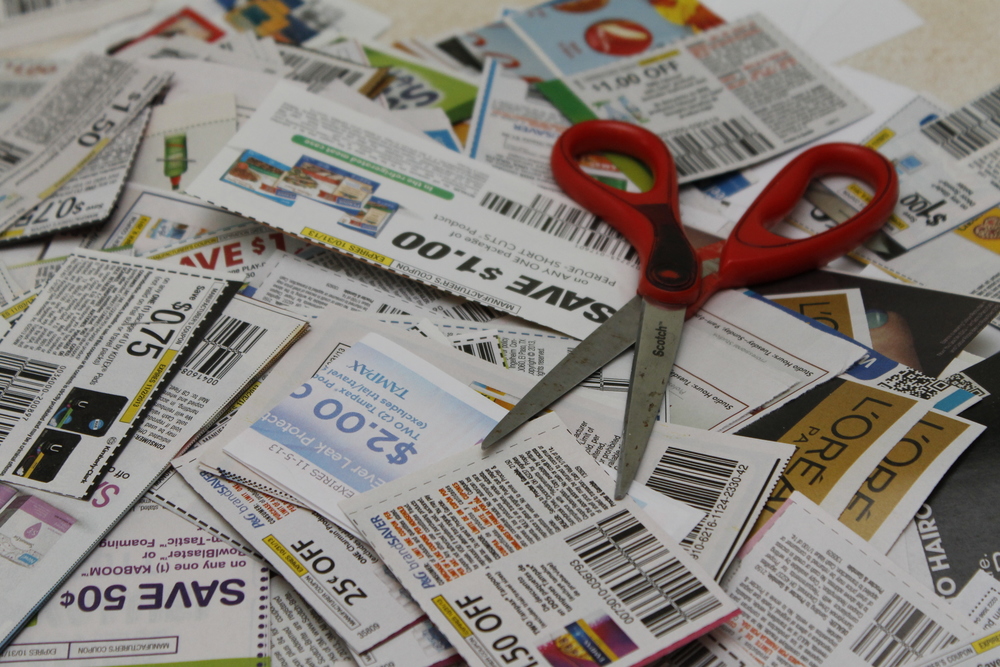
If you have ever watched the show Extreme Couponing, you would truly get a chance to witness some consumers’ appreciation of loyalty programs. While it is debatable how loyal these customers become in these extreme couponing situations, it does drive sales at the point of purchase. In fact, loyalty programs have become a huge part of any forward thinking B2C company’s marketing mix. And if done right, these initiatives can enable a company to maintain and expand its existing customer base, create strong brand advocates  and increase the customer lifetime value (CLV). Coupons specifically are also known to improve awareness of products, increase shopping frequency and help drive purchasing preferences.
mobile couponing sproxil

There is no doubt that companies have reported the benefits of having loyalty programs integrated into their initiatives. For example, large department stores that offer point cards for a chance to save on a future purchase are more likely to see an increase in overall sales and commitment from each customer.

Points-based systems (via loyalty cards) and paper couponing are great to have but in the ever-changing and competitive world of technology, companies who want to stay ahead of the curve should consider how mobile phones can be integrated. Most customers (not including those who are extreme couponers) are more likely to leave their homes with their mobile phones than they are with paper coupons. These days, retail stores have gotten creative in how they get their customers to sign up: cashiers can entice you with mobile coupons and alerts in your email by offering a certain percentage off at the point of purchase just for providing your email to them. Some companies send their customers coupons when they have downloaded their apps as another way to incentivize them. Mobile coupons are also a creative way for companies to build their databases. If you get customers to sign up with their location and email, you can build a database of customers by location, create target customer profiles and predict what products are in demand in certain locations. This information can help you craft loyalty marketing programs based on your findings.

Loyalty marketing programs have so many benefits, and executing them through mobile can give you an extra advantage over your more traditional competitors. If you would like to discuss creative ways on how to implement mobile-based loyalty marketing programs into your current initiatives, send us an email team@sproxil.com