Three Ways Data can improve Marketing Effectiveness

If you are plugged in, you would have heard by now that data can improve marketing effectiveness. The details may be blurry depending on the environment your business operates in and ease of access to such data. Many companies rely on big data agencies to provide them with information about their consumers. Companies end up spending a fortune to get this information to enable them improve their marketing. How exactly does this help? Does it justify the spend to agencies? Here are three ways data can improve marketing effectiveness.

Market Segmentation

Data enables you break down consumer information into different categories. You can evaluate consumers by age, gender, location, marital status etc and understand why a certain group is purchasing your product versus the group you assumed would make most of the purchases. You have a clearer picture of who your primary and secondary customers are and why. For example, if you are an FMCG brand that specializes in tea production, you may see an increase in sales in green tea because majority of the younger and even older people have been told that green tea is beneficial for detoxing. This helps you plan your merchandise so you can increase stock for your green tea products. This brings us to our next point.

Merchandise Planning

No matter the size of your business, no organization wants to have a full warehouse with products that have not moved for over a month. Data can relieve your company of this burden. As portrayed in my previous example, if the company gathers information that their green tea products are moving faster, they would increase supply of that product and regulate supply for the others to match its demand and that can only be done with data. This also enables the company to switch marketing direction for that product to create more awareness since its moving anyway. 
Customer Loyalty

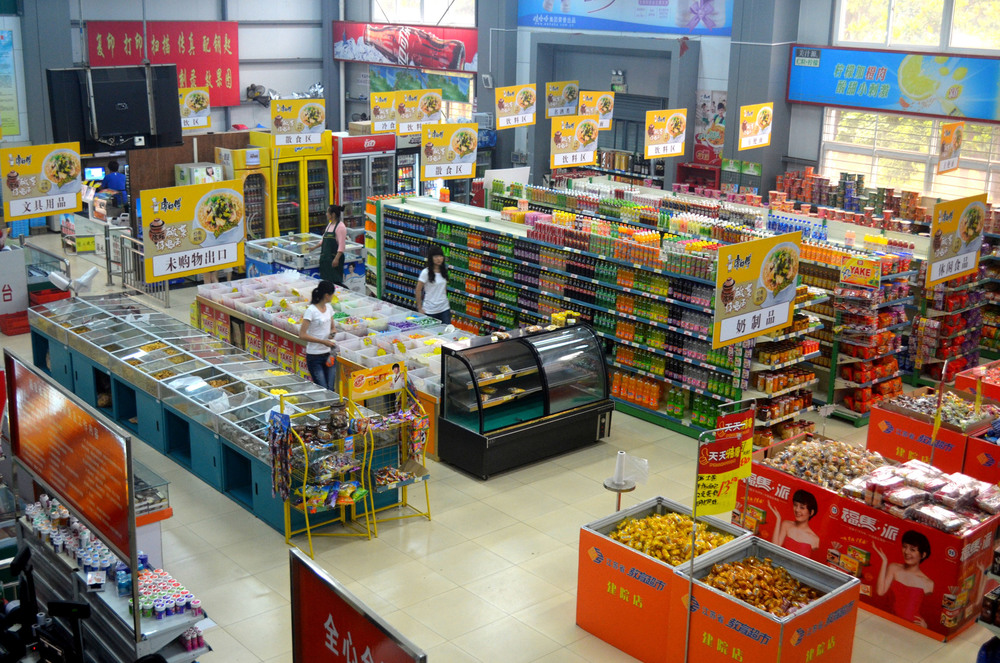
The price wars that companies get into sometimes sway consumers to try other products. If an organization has done the background work to ensure that their consumers are not easily swayed, then no matter the new price offerings, consumers will remain loyal to a brand. What does this background work involve? Some companies run loyalty marketing campaigns to initially capture the information of the buyer. They then further probe these consumers immediately after the campaign to find out reasons why they bought their product and what exactly they would like to see. If their reasons go beyond pricing and the promotion bait, they take that information and improve their products. So when pricing wars begin, they are not easily swayed because the company that ran the promotion has now tailored the new and improved product to exactly what the customer needs. The customer ends up paying for quality and relevance and is likely to overlook the price to get value for their buck. 
The 4R’s of Data in Loyalty Marketing

Big data, small data, loyalty marketing, consumer engagement are all the talk of any serious marketing department. If you are wondering how this all translates in the grand scheme of things, wonder no more. These buzzwords are here to stay because the world is migrating to the data age. Whether big or small, data is vital in effective marketing.
If you have an instagram account, you would have realized by now that with every other five pictures or so, there is an ad. There is also a very highly unlikely fact that you would have engaged with that ad. The reason is because there was little or no relevance to you. This is where data comes in. When instagram starts re-targeting their ad with data accumulated, their ads would become effective. Why is that? Consumers are more likely to relate with information they already know or have been searching for in recent times.

When Facebook collects our data (big or small) it helps them retarget the types of ads we get. For example, if I send a message to a friend talking about buying a new laptop, Facebook mines that information (data) and shows me ads of people selling laptops or related content. I would then be more likely to engage with that ad and maybe even proceed to purchase a new laptop because of that ad.

Bringing it back to loyalty marketing, consumer engagement based on familiar content is more effective and this familiar content information can be derived from data mined from consumers. The 4R’s of data in Loyalty marketing are Right Medium, Right Time, Right Offer, Right People.

4Rs of data in loyalty marketing

4R’s of Data in Loyalty Marketing

Right Medium

Whether it is through traditional or digital medium, data helps you understand how your customers prefer to receive communication materials from you. Data also helps you decipher the most effective channels to reach them without them necessarily expressing it.

right medium

Right Time

Data enables you study patterns on times your customers engage with your brand the most. It could be times of the day, months in the year and peak seasons in the year. For example, if your customers shop for excess salt during holiday periods during the year, that would be the best time to run a promo. That insight comes from the data you have gathered and studied.

right time

Right Offer

This ties into all that has been mentioned above. The right offer also comes from quality insights from your data gathered. For example, if a business employs the Sproxil Champion product to run a campaign around their body lotion products, offering your consumers a discount on an extra lotion during the dry seasons is the best offer at that time for them. This increases sales for the company and sensitizes the customer.

right offer

Right People

While companies are always looking to increase sales and market share, it is also important that you acquire quality customers. The ideal customer is the one that would help you market your business in the absence of marketing material from you. For them to do that, they should have a great positive experience with your brand. For that to happen, the company needs to engage with them providing the right offer through the right medium at the right time. This comes from studying the insights you have gathered about them in the past and employing creative strategies to engage them.

right people

Technology enables companies achieve these goals and use data to create more focused messaging to engage consumers effectively. Thereby improving the bottom line, increasing market share and growing as a company. Looking for an effective loyalty marketing solution for your business, do not hesitate to contact us and let us discuss creative options for your brand.