The Role of Health Professionals in Preventing Counterfeit Drugs

The penetration of counterfeit drugs in the Sub Saharan African market has experienced a significant decline according to the regulatory authorities especially in Nigeria called NAFDAC. [ Peoples Daily NG]  This is as a result of the awareness that has been created about the problem, the implementation of technological solutions like Sproxil and the awareness of the presence of the solution. The power of creating awareness is sometimes underestimated by stakeholders. Given the situation of counterfeiting, it has proven to be an effective method of eliminating the problem in conjunction with other solutions.
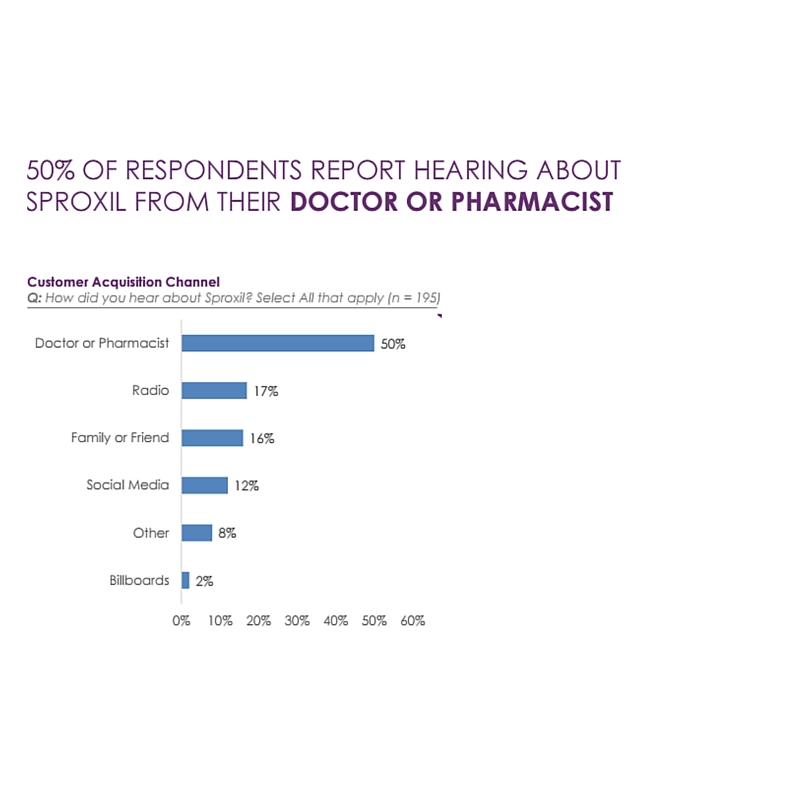
One of our esteemed partners at Sproxil, Acumen recently conducted a survey to evaluate customer feedback and understand the depth of the impact Sproxil has made. Their questions ranged from understanding how they heard about the Sproxil service to the translated benefits of using the service in their homes. The results were astonishing. 50% of respondents mentioned that they heard about the Sproxil service from their doctors and pharmacists., 17% said radio, 16% said family & friends etc.

health professionals prevent counterfeiting

The results of this survey shows that the health care professionals play a significant role in eliminating the use of counterfeit drugs in the society in which they live in. If a consumer walks into a drug store and wants to buy an anti-malarial drug, the pharmacist hands it over to them. The next step is for that pharmacist or health professional on duty to notify the consumer about the importance of verifying their drug before consumption. That way, the consumer is aware of the possibility of counterfeit versions of that drug and would always ask to scratch a label before purchasing. They are also subconsciously aware of the solution that exists to combat this problem. Which then makes them inform that family and friends and the chain of awareness is created.

How have you been creating awareness in your community about the dangers of counterfeit drugs?

Fight the Fakes in India

### UPDATE 2014-11-15 ###
Rat poison  (zinc phosphide) found in counterfeit antibiotic Ciprocin, linked to at least 15 India sterilization deaths.

###

(original post 2014-11-13)

Every story about the negative impact of counterfeit drugs further confirms the increasingly urgent need to address the global issue.

Recently, thirteen women in India had died after sterilization surgery at a family planning camp, possibly due to tainted or substandard drugs. While full investigations pertaining to the incident and the drugs are still underway, the story highlights the serious and fatal impact that counterfeit drug use could play.

Education on dangerous counterfeit drugs is just one of the many critical steps needed to support consumer safety efforts. To further our commitment to education, we joined Fight the Fakes campaign to help raise awareness so that we can protect patients from unnecessary tragedy.

Now it is your turn: Equip yourself with knowledge; learn about why it’s important for policy makers, doctors, health care professionals, media, and patients to raise up arms against the global threat. Learn more about Sproxil’s tool to combat counterfeiting – Mobile Product Authentication™ (MPA™) – by reading about SMS verification and its impact.

From government to manufacturer to consumer, combatting fake drugs is everyone’s fight.

The LEADERs Guide for HealthCare Pros

Usually when healthcare professionals think about patients getting counterfeit drugs, they assume the patient ordered a drug from a foreign website pharmacy that’s nothing more than an online front for counterfeiters.
However, in early February the US Food and Drug Administration announced that it had discovered an unlicensed supplier selling fake Bevacizumab injectables (under the brand name Avastin) to oncology practices. Later, press reports mention that the manufacturer tested some of the vials, and the fake product contained salt, starch and other chemicals including citrate, isopropanol, propandiol, t-butanol, benzoic acid, di-fluorinated benzene, acetone and phthalate moiety but none of the active ingredient.

This event has highlighted the need for healthcare professionals of all types, not just pharmacists, to be aware of proper procedures for safely sourcing medication for patients. We encourage all healthcare professionals to look at material published by Partnership for Safe Medicines (PSM), a group of over non-profit groups that have policies and procedures in place to prevent counterfeit medicines from reaching patients.

They have published resources to help healthcare professionals learn about and adopt better medication sourcing practices. You can find them at PSM’s website:

• For nurses
• For physicians
• For pharmacists

Drug Anti-Counterfeiting Technology Reaches 1 Million Uses

FOR IMMEDIATE RELEASEContact:
Jennifer Viera
pr@sproxil.com

Consumers Use Sproxil’s MPA™ Solution to Determine Drug Safety More Than 1 Million Times in Battle Against Counterfeit Drugs
– User Base Expected to Grow in Response to Nigeria’s Malaria Epidemic and India’s New Directorate General of Foreign Trade Guidelines –

Cambridge, MA, January 25, 2012 – Sproxil, a leading provider of world-class brand protection for emerging markets, announced today that consumers within regions of Africa have used its Mobile Product Authentication™(MPA) technology more than one million times to verify their medication. Leading pharmaceutical companies and regulatory organizations in these regions have been leveraging Sproxil’s MPA solution since the company launched to protect consumers from taking potentially harmful counterfeit and substandard drugs.

“Knowing that consumers have used our technology more than one million times to validate their medication demonstrates both the simplicity of our solution, as well as the immense demand for it. Consumers no longer judge the authenticity of their product by its appearance; they verify it,” states Dr. Ashifi Gogo, Chief Executive Officer of Sproxil. He adds, “With support from regulatory authorities such as the National Agency for Food and Drug Administration and Control (NAFDAC) in Nigeria and the Pharmacy and Poisons Board in Kenya, Sproxil has grown significantly in a short period.”

Sproxil’s MPA solution is user friendly as is evidenced by its accelerated adoption. Upon purchasing medication, consumers scratch a label which reveals a one-time use code. They then text the code to a secure number provided on the package. As part of Sproxil’s MPA technology, the text message is processed to determine the drug’s genuineness. Within seconds, Sproxil notifies the end user, via text, of the result. Alternatively, consumers can call Sproxil’s consumer support desk to get results in their local language.

According to Director General of NAFDAC, Dr. Paul Orhii, NAFDAC’s use of Sproxil’s solution “puts the power of detection of counterfeits in the hands of millions of Nigerian consumers, thereby enlisting them in the war against counterfeiting.”
Demand for Sproxil’s MPA technology has grown despite the recent turmoil in Nigeria. Even in the wake of strikes in Nigeria, consumers remain concerned about receiving genuine medication and have still sent thousands of text messages to the company daily for drug verification. Not only is Sproxil’s technology being used despite this crisis, the need for it is only expected to intensify, as the presence of counterfeit and substandard drugs meant to control malaria is threatening millions of lives in Africa. Additionally, in India the Directorate General of Foreign Trade (DGFT) recently issued new guidelines for importing and exporting goods. Implementing India’s new policies could be simplified by using a technology such as Sproxil’s MPA.

About Sproxil
Sproxil is a venture-backed, social enterprise that provides world-class brand protection services in emerging markets. Through the company’s Mobile Product Authentication™ (MPA) solution, brand owners can connect with their customers in a way not previously achieved, by helping to ensure the goods they purchase are not stolen or counterfeit. Sproxil’s patent-pending product verification service allows individuals to text message a single-use item-specific code found on products using MPA technology, and receive a rapid response confirming the product’s genuineness or alerting the consumer to report incidents of suspicious activity to the brand owner. Sproxil’s solution is compatible with any tangible item, and it is already widely used by leading pharmaceutical companies to curb the multi-billion dollar counterfeit drug industry. Recognized as innovative and instrumental in the battle against counterfeiting, Sproxil has won the IBM SmartCamp Boston Award and the 2009 Clinton Global Initiative Outstanding Commitment Award, as well as received regulatory endorsements from the National Agency for Food and Drug Administration and Control in Nigeria and the Pharmacy and Poisons Board in Kenya. The company is headquartered in Cambridge, Massachusetts, United States and continues to expand its presence in multiple countries across Asia and Africa. For more information, please visit www.sproxil.com.

WHO highlights INTERPOL’s work on confiscating fake products

Genuine Versus Fake Drugs, (C) INTERPOL
As the WHO makes progress on the definition of counterfeit drugs and medical devices, we find it interesting that it is collaborating with INTERPOL to highlight the need for good enforcement to keep counterfeit products off the shelves. Last year, in a five-month operation in Asia, INTERPOL confiscated 20 million counterfeit and illegal pills! Between falsified paperwork, suspiciously-packaged products and unusual odors, simple checks and basic due diligence on imports can assist enforcement officers to identify fakes without the need of any technology.

In short, technology is an efficiency multiplier – organizations need to have basic anti-counterfeit intelligence processes in place to make the most of technology enhancements.

The recent bulletin also provides some interesting statistics:

In more than 50% of cases, medicines purchased over the Internet from illegal sites that conceal their physical address have been found to be counterfeit.

Also, sadly:

In Singapore, 150 people were admitted to hospital in the first five months of 2008 having severe hypoglycaemia – a sharp drop in blood-sugar levels. Four of them died and seven suffered severe brain damage. They had reportedly taken counterfeit copies of drugs purporting to treat erectile dysfunction but which contained a hefty dose of glyburide, used for treating diabetes.

Read more here.

Welcome to Sproxil

What do you do? »

Sproxil provides mobile product authentication against counterfeit products in emerging markets and the developed world using cell phones.

We provide software and systems that capture market intelligence in emerging markets using cell phones.

Our service provides automatic protection against counterfeiters.

Why does it matter? »

Brand and product pirates in emerging markets pose a significant risk to legitimate manufacturers which leads to the following;

  • Brand degradation
  • Decrease in sales
  • Consumer purchasing apprehension
  • Exposure to lawsuits.

Over $500 billion in counterfeit products are traded yearly, depriving genuine businesses of significant revenue while compounding the job of government enforcement and regulatory bodies.

How does it work? »

  • The consumers purchase a product
  • They scratch and text a simple numeric code unique to the product to a number provided to them for free.
  • The consumers instantly receive confirmation of the authenticity of the product.

SCRATCH

sproxil text code

GENUINE PRODUCT

FAKE

Brand owners can then:

  • Send personalized real-time offers at the point of purchase.
  • Lock down supply chains to prevent product diversion.
  • Access live market intelligence in cash-based societies.

It’s more secure than holograms: the booming multi-billion dollar mobile phone market has been using this method for the last 15 years without any major flaws.

Sproxil’s solution provides numerous benefits for;

Governments

Drug regulators

Law enforcers

Industry and professionals

Foreign donors

Foundations and non-profits

Telecom operators

Consumers