Mechanics and Fake Auto Parts

Have you ever gone to the hospital and come out worse off than when you first got in? That happens to us sometimes when we take our cars to the auto repair shops and expect it to come out brand new but it comes out with fake auto parts that damage your car. Sometimes the mechanics mean well. You go to them with a problem with your car and based on the knowledge they have, they try to rectify your problem but they end up causing more damage than they intended. This damage is as a result of the fake auto parts that they have sourced. The cost of operation for an auto repair shop depending on the country they are located can sometimes run high. In order to reduce cost, they source substandard or outright counterfeit auto parts as this helps them keep costs low and profits high. We have to ask ourselves the important question: “these low costs come as a cost to who?”

The mechanic may end up getting repeat business as a result of the substandard goods. However is this the type of repeat business they accounted for? Whatever the case, the consumer ends up getting the shorter end of the stick which may result in more costs to the consumer because they end up coming back for more repairs. This method of cutting corners on the part of the mechanic by providing fake auto parts could also be fatal to the consumer as bad products could result in accidents.
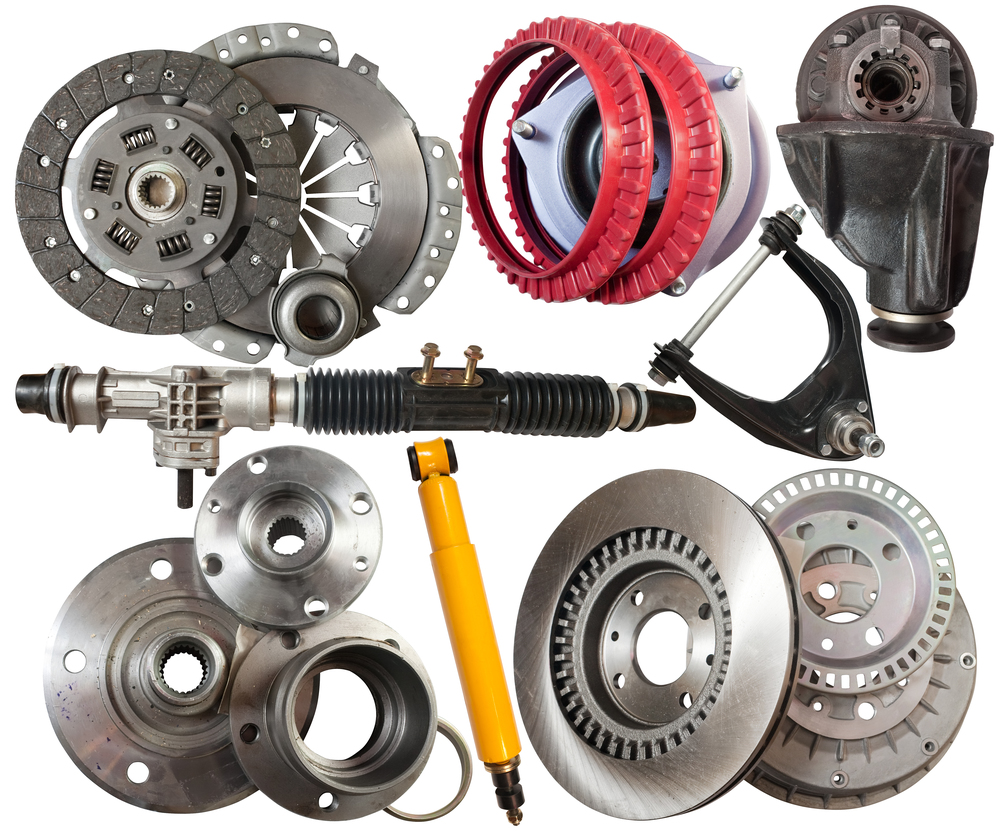
What can consumers do to prevent fake auto parts in their car?

  • Enquire about the details of the issue of your car before giving your approval of the repair of the car. Seek a second opinion to ensure the same issue has been identified.
  • Ask detailed questions about what parts are required for the repairs so you can independently source for these products.
  • Insist on going with the mechanic to a trusted auto dealers shop to purchase the necessary parts. When at the store, be sure these parts are genuine using the tips we suggested here on an earlier post.
  • Confirm if there are any existing warranties that will protect you as a consumer if these products are not authentic.

Have you ever had issues with fake auto parts? How did you resolve it?
5 Unexpected Fakes

With fake goods estimated to account for 5-7% of world trade ($600 billion per year), we have all probably run into at least a few counterfeit products at one point or another. For many people, particularly in the U.S., fake goods mean pirated DVDs and knock-off designer bags sold on the street. Counterfeiting, however, is present in virtually every industry and is not always as easy to recognize as a poorly printed cover or misspelled brand name. Here are five things we would not have expected to see faked:
1. Cigarettes

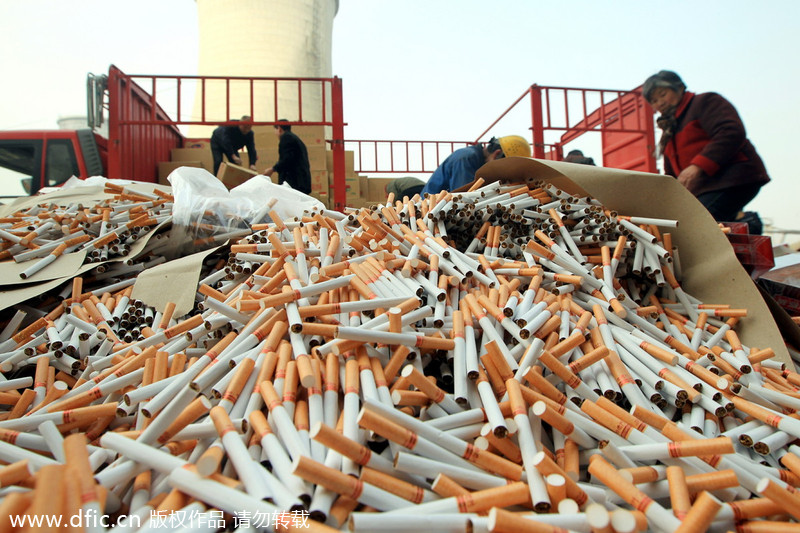
Agencies around the world have been warning people about the dangers of fake cigarettes. In Punjab, the Federation of Indian Chambers of Commerce and Industry (FICCI) found that at least 20% of the tobacco products sold were faked, and just last week, 1.5 million counterfeit cigarettes were seized in Poland before being sent to the UK and Norway. While genuine cigarettes already raise strong concerns about health, fake cigarettes have been found to contain ingredients such as cyanide, sand, and even plastic. Additionally, fake cigarettes are more likely to cause fires, as they are not designed to burn in a controlled manner like genuine cigarettes.

Source: icpress

2. Oranges

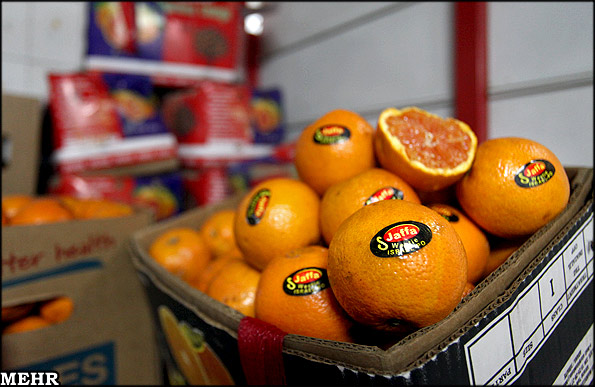
There are many examples of counterfeited processed foods and drinks (we wrote a blog post in June about the deaths of over 100 people in Mumbai as a result of consuming fake liquor), but how could unprocessed foods be faked? In Iran, officials discovered that oranges’ type and origin had been faked after they found a suspicious batch of oranges labeled as Israeli Jaffa Sweeties, even though Israel had banned trade between the two countries. Officials later learned that the oranges were not Jaffa Sweeties that somehow bypassed the trade ban, but rather a different type of orange from China with faked Jaffa Sweetie labels. In addition to faked Jaffa Sweeties, Australian officials have found oranges with fake Australian fruit company labels in China, when the oranges are actually from China and colored with toxic, artificial dyes to try and improve their appearance.

Source: http://www.mehrnews.com/fa/newsdetail.aspx?NewsID=866126

3. Tourniquets

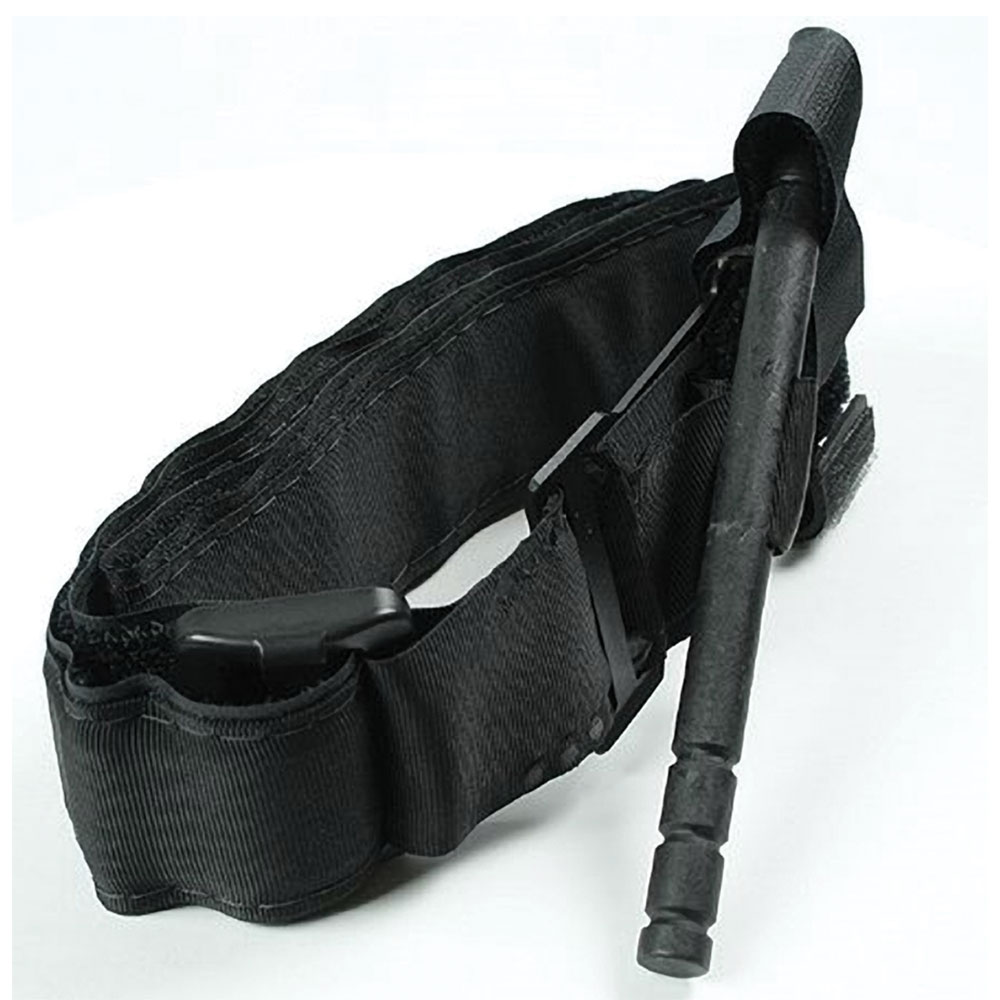
Although fake medicines often garner a lot of the media attention, they are not the only healthcare related products that are counterfeited. In fact, fake medical devices are becoming more and more common. This past week, New Hampshire officials learned that some of its first responders had been supplied with fake tourniquets, simple medical devices that help control blood loss during severe injuries. Officials discovered this after two tourniquets experienced an uncharacteristic “catastrophic failure” while paramedics tried to stop the blood loss from a patient’s leg injury.

Source: http://www.atlantictactical.com/product/elite-first-aid-c-a-t-tourniquet/elite_first_aid_inc#.VdSfh1NViko

4. Fake Celebrities and Businessmen

Sometimes a counterfeit is not even a physical product. In an article and short documentary published earlier this year, the New York Times reports on how Chinese real estate agents hire ordinary foreigners to pose as fake foreign celebrities to help sell their housing developments. The Atlantic also reported a similar story on how some Chinese companies hire foreigners to pose as a fake businessman in order to give the companies an “image of connection” outside of China to clients and other companies.

Source: http://www.larsskree.com/

5. Fake Stores

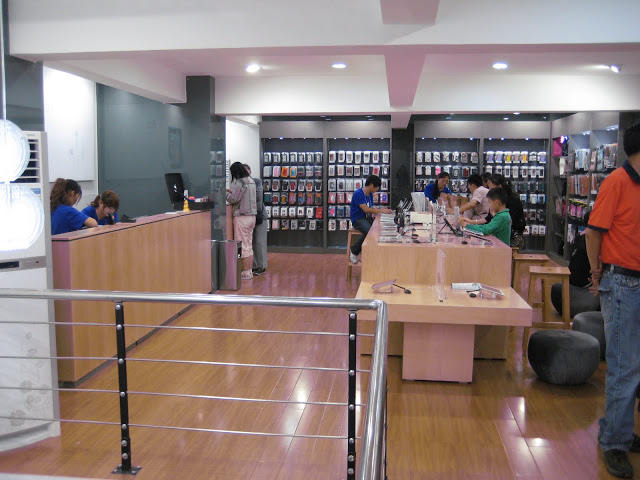
Lastly, when selling fake products is not enough, you can fake an entire store. In 2011, Chinese officials discovered 22 fake Apple stores operating in the country. The stores illegally used Apple’s brand and logo and staff wore extremely similar t-shirts and lanyards to the ones found in genuine Apple stores. Although it hasn’t been confirmed whether the fake stores sold genuine or fake Apple products, it’s hard to imagine that a fake store actually sold a genuine product.

Source: https://birdabroad.wordpress.com/2011/07/20/are-you-listening-steve-jobs/

While it may be shocking to learn that these 5 things have been faked, our expectations of what can and cannot be faked are exactly what counterfeiters prey on. As long as they can counterfeit something that consumers don’t expect and make it widely available, countless people will fall for their trap, losing money and putting their safety at risk.

What other unexpected fakes have you seen or heard about? Let us know in the comments.

Welcome to Sproxil

What do you do? »

Sproxil provides mobile product authentication against counterfeit products in emerging markets and the developed world using cell phones.

We provide software and systems that capture market intelligence in emerging markets using cell phones.

Our service provides automatic protection against counterfeiters.

Why does it matter? »

Brand and product pirates in emerging markets pose a significant risk to legitimate manufacturers which leads to the following;

  • Brand degradation
  • Decrease in sales
  • Consumer purchasing apprehension
  • Exposure to lawsuits.

Over $500 billion in counterfeit products are traded yearly, depriving genuine businesses of significant revenue while compounding the job of government enforcement and regulatory bodies.

How does it work? »

  • The consumers purchase a product
  • They scratch and text a simple numeric code unique to the product to a number provided to them for free.
  • The consumers instantly receive confirmation of the authenticity of the product.

SCRATCH

sproxil text code

GENUINE PRODUCT

FAKE

Brand owners can then:

  • Send personalized real-time offers at the point of purchase.
  • Lock down supply chains to prevent product diversion.
  • Access live market intelligence in cash-based societies.

It’s more secure than holograms: the booming multi-billion dollar mobile phone market has been using this method for the last 15 years without any major flaws.

Sproxil’s solution provides numerous benefits for;

Governments

Drug regulators

Law enforcers

Industry and professionals

Foreign donors

Foundations and non-profits

Telecom operators

Consumers